

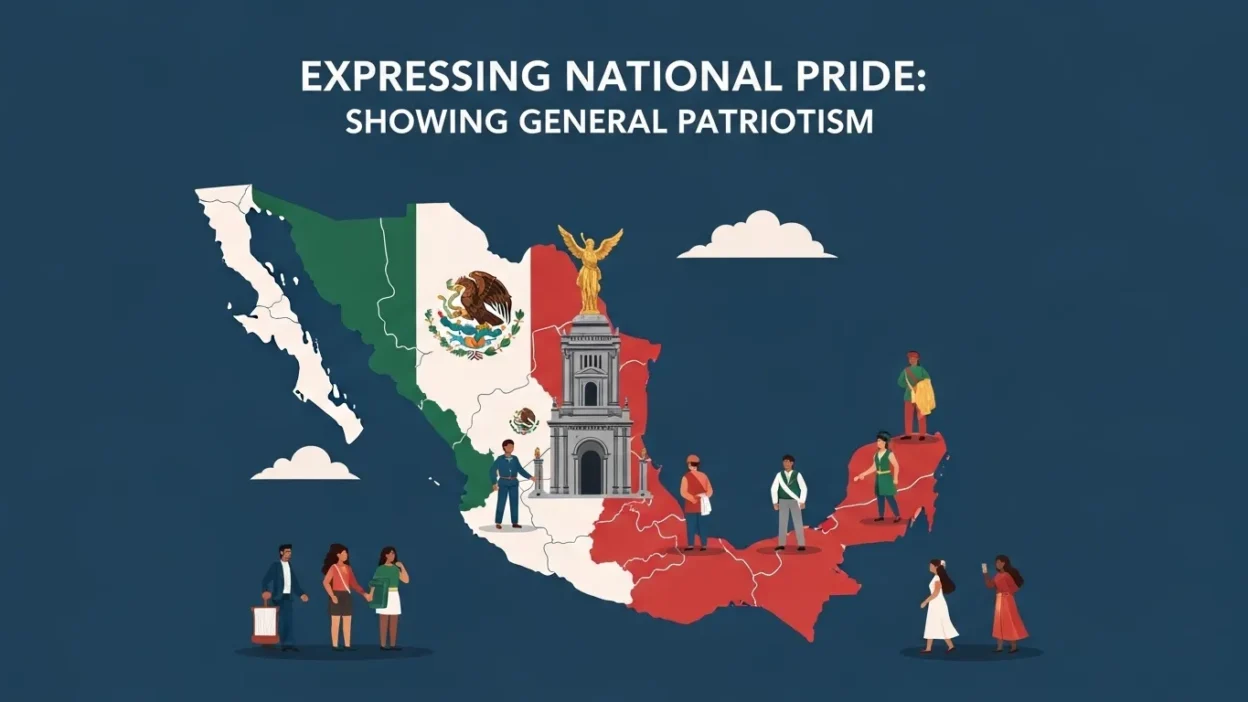
The phrase “Viva La Mexico” is one you may have heard shouted during Mexican celebrations, at sports events, or even in movies and social media posts. But what does it actually mean?
The correct Spanish phrase is “Viva México”, which translates to “Long live Mexico” in English. This simple expression carries deep cultural and historical significance, symbolizing national pride, unity, and the celebration of Mexican identity.
It is most famously associated with Mexican Independence Day, when people across the country join together to chant it during the Grito de Dolores ceremony, commemorating the start of Mexico’s fight for independence.
Beyond its historical roots, the phrase is also used in everyday life to express patriotism, joy, and solidarity among Mexicans.
In this article, we will explore the true meaning of Viva México, its origin, cultural importance, correct usage, and why it continues to resonate strongly with Mexicans worldwide.
What Does Viva La Mexico Mean?
The phrase “Viva La Mexico” is often used to express pride and enthusiasm for Mexico, but it is important to clarify the correct form: the proper Spanish phrase is “Viva México”. Literally translated into English, “Viva” means “long live” or “hurrah for”, and “México” refers, of course, to the country itself. Together, “Viva México” translates as “Long live Mexico”, a phrase filled with patriotic sentiment and cultural pride.
While the literal meaning is straightforward, its deeper significance comes from history and tradition. The expression is not just words; it represents the resilience, independence, and unity of the Mexican people. It is shouted during national celebrations, particularly on Mexican Independence Day, as a way of honoring the nation’s heroes and expressing collective joy and pride.
Many people mistakenly say “Viva La Mexico”, adding the article “la,” which is not grammatically correct in Spanish. The simple phrase “Viva México” is enough to convey the intended meaning. Despite this common error, the sentiment behind it is universally understood: a celebration of Mexican identity, culture, and history.
In short, “Viva México” is more than a phrase—it is a symbol of national pride, shouted with energy and emotion, whether during official ceremonies, cultural events, or even casual celebrations among friends and family.
Is “Viva La Mexico” Grammatically Correct?
A common question many people have is whether “Viva La Mexico” is correct Spanish. The short answer is no. In Spanish grammar, country names like México do not require the definite article “la”. The proper way to express the phrase is simply “Viva México”, which directly translates to “Long live Mexico”. Adding “la” is unnecessary and grammatically incorrect, though it is a mistake that is often seen, especially among English speakers or in informal online posts.
Why Do People Say “Viva La Mexico”?
The addition of “la” likely comes from a misunderstanding of Spanish sentence structure. In English, we sometimes use “the” before country-related phrases or nicknames, which can lead to the mistaken “Viva La Mexico”. However, in Spanish, “Viva” already functions as an imperative expression, and the country’s name stands alone without an article.
Correct vs. Incorrect Usage
- ✅ Correct: Viva México!
- ❌ Incorrect: Viva La Mexico!
Even though the incorrect form is widely recognized, using the proper phrase shows respect for the Spanish language and Mexican culture. It also helps avoid confusion, especially in formal settings or during cultural celebrations.
Understanding the correct usage is not only about grammar—it is about embracing the tradition and historical significance behind this patriotic expression, making “Viva México” more than just words, but a declaration of pride.
Origin of the Phrase Viva México
The phrase “Viva México” has a rich historical background deeply tied to the country’s struggle for independence. Its origin dates back to September 16, 1810, during a pivotal moment known as the Grito de Dolores. On this day, Miguel Hidalgo y Costilla, a Catholic priest and revolutionary leader, rang the church bell in the town of Dolores and called on the people to rise against Spanish colonial rule. His speech marked the beginning of Mexico’s fight for independence, and the phrase “¡Viva México!” quickly became a rallying cry for freedom and unity.
The Grito de Dolores
The Grito de Dolores, or “Cry of Dolores,” is considered the symbolic start of Mexico’s independence movement. Hidalgo’s declaration included passionate exclamations such as “¡Viva México! ¡Viva la Independencia!”, inspiring ordinary citizens to join the rebellion. Over time, “Viva México” became the most enduring part of this historic chant, symbolizing the country’s determination to achieve liberty and self-governance.
Evolution of the Phrase
Since 1810, “Viva México” has evolved from a revolutionary slogan into a national expression of pride and patriotism. It is now shouted every year during Mexican Independence Day celebrations, particularly during the official ceremony where the President of Mexico reenacts the Grito de Dolores from the balcony of the National Palace.
Today, the phrase is more than a historical reference—it is a cultural symbol, a way for Mexicans to honor their history, celebrate their freedom, and express a shared sense of national identity.
Viva México and Mexican Independence Day
The phrase “Viva México” is most prominently associated with Mexican Independence Day, celebrated every year on September 16. This day commemorates the start of Mexico’s fight for independence from Spanish rule in 1810, marked by the historic Grito de Dolores. On this day, Mexicans across the country unite to honor their heritage, history, and national pride, and the shout of “¡Viva México!” has become the heart of the celebration.
When the Phrase Is Used
During Independence Day celebrations, the President of Mexico leads the nation in reenacting the Grito de Dolores from the balcony of the National Palace in Mexico City. The ceremony concludes with the President shouting “¡Viva México!”, followed by a crowd-wide repetition of the phrase. Similar celebrations occur in towns, cities, and communities across the country, where people gather in public squares, waving Mexican flags and cheering “Viva México!”
Public Festivities
Mexican Independence Day is filled with music, parades, traditional dances, and fireworks, creating a lively and patriotic atmosphere. The phrase “Viva México” resonates through the celebrations, symbolizing unity and national pride. It is not just words; it is a collective expression of joy, freedom, and respect for those who fought for Mexico’s independence.
In short, “Viva México” is the centerpiece of Independence Day festivities. It connects Mexicans to their history, reminds them of their shared identity, and allows them to celebrate the enduring spirit of their nation.
Cultural Significance of Viva México
Beyond its literal translation of “Long live Mexico,” the phrase “Viva México” holds deep cultural significance for Mexicans around the world. It is more than a patriotic chant; it is a symbol of national identity, pride, and unity that resonates across generations. Whenever Mexicans shout “¡Viva México!”, they are not just expressing love for their country—they are celebrating the struggles, achievements, and resilience of the nation throughout history.
Symbol of National Pride
The phrase embodies a collective sense of pride in Mexican heritage, traditions, and accomplishments. From historical independence movements to modern achievements in arts, sports, and politics, “Viva México” reflects a shared acknowledgment of what it means to be Mexican.
Representation of Unity
“Viva México” is also a unifying expression. Whether in public celebrations, family gatherings, or international events, it brings people together regardless of social, economic, or regional differences. It reminds everyone of their shared culture and history.
Cultural Identity
Mexicans often use the phrase during national holidays, sports victories, and cultural performances. It appears in songs, social media posts, and artistic expressions, reinforcing a sense of belonging and pride. By using “Viva México,” individuals connect with their heritage and honor the traditions that define their cultural identity.
In essence, “Viva México” is more than a phrase—it is a cultural emblem, a way to celebrate the spirit, history, and unity of Mexico, making it one of the most recognized and cherished expressions in Mexican society.
When and Where People Say Viva México
The phrase “Viva México” is used in a variety of contexts, reflecting both formal and informal celebrations of Mexican identity. While its historical roots are tied to independence and national pride, today it is spoken in many situations where Mexicans want to express joy, unity, or patriotism.
National Celebrations
The most prominent occasion is Mexican Independence Day on September 16. During the Grito de Dolores ceremony, the President of Mexico leads the nation in shouting “¡Viva México!”, which is echoed by crowds across cities and towns. Similar festivities, including parades, fireworks, and concerts, also feature this phrase as a central expression of collective pride.
Sports Events
At international sports competitions, especially football matches, fans often chant “Viva México!” to encourage their teams and demonstrate national solidarity. It is a way of showing that the pride of being Mexican extends beyond politics and history into everyday life.
Cultural Festivals and Performances
Traditional dances, mariachi performances, and cultural exhibitions frequently include the phrase to celebrate Mexico’s rich heritage. It is common for audiences to cheer “Viva México!” during these performances as a sign of appreciation and patriotic spirit.
Social Media and Everyday Use
In modern times, the phrase is widely shared online during national holidays, major sporting events, or personal celebrations of Mexican pride. Even informal gatherings or family parties may include enthusiastic shouts of “¡Viva México!”, reinforcing its role as a living symbol of identity.
In short, “Viva México” is not limited to historical ceremonies—it is a versatile expression, used wherever Mexicans wish to celebrate their culture, history, and national pride.
Examples of Viva México in Sentences
Understanding how to use “Viva México” in context helps illustrate its cultural and emotional significance. While the phrase is simple, it carries a powerful message of pride, unity, and patriotism. Here are several examples of how it can be used in different situations.
During National Celebrations
- “El presidente gritó: ¡Viva México!” – The president shouted: Long live Mexico!
- “Todos en la plaza respondieron con un fuerte ¡Viva México!” – Everyone in the square responded with a loud Long live Mexico!
At Sports Events
- “Los aficionados coreaban: ¡Viva México! mientras su equipo ganaba.” – The fans chanted: Long live Mexico! as their team won.
- “En el estadio se escuchaba un eco de ¡Viva México! por todas las gradas.” – An echo of Long live Mexico! was heard throughout the stadium.
In Everyday Life
- “En la fiesta familiar, todos levantaron sus copas y dijeron: ¡Viva México!” – At the family party, everyone raised their glasses and said: Long live Mexico!
- “En redes sociales, la gente compartía fotos con el mensaje: ¡Viva México!” – On social media, people shared photos with the message: Long live Mexico!
In Cultural Performances
- “Durante el concierto de mariachi, el público gritó: ¡Viva México!” – During the mariachi concert, the audience shouted: Long live Mexico!
These examples show that “Viva México” is a flexible phrase, used in both formal ceremonies and casual celebrations. It conveys enthusiasm, pride, and a strong connection to Mexican culture, making it a central expression of national identity.
Similar Spanish Expressions
While “Viva México” is one of the most recognized patriotic expressions, there are several similar Spanish phrases used to celebrate countries, causes, or life itself. Understanding these expressions provides context for how “viva” functions in the Spanish language.
Viva España
- Meaning: “Long live Spain”
- Often used in Spain during national celebrations or patriotic events. It functions similarly to “Viva México”, expressing pride and national identity.
Viva La Vida
- Meaning: “Long live life”
- Popularized by music and literature, this phrase celebrates life in general rather than a country. It is often used to inspire positivity and appreciation for life’s moments.
Viva La Revolución
- Meaning: “Long live the revolution”
- Historically tied to political or social movements, this expression is used to rally people around a cause, similar in spirit to “Viva México” during the independence movement.
Other Uses of Viva
The word “viva” can be combined with various nouns to express support, joy, or celebration. For example:
- ¡Viva el amor! – “Long live love!”
- ¡Viva la música! – “Long live music!”
- ¡Viva la cultura! – “Long live culture!”
Significance
These phrases share the same structure and emotional impact as “Viva México”, demonstrating how Spanish speakers use the word “viva” to celebrate, inspire, or express collective pride. Whether referring to a nation, a movement, or a universal concept like life or love, these expressions capture enthusiasm, unity, and cultural identity.
By comparing “Viva México” to other expressions, readers can better understand its role as both a linguistic and cultural symbol.
Viva México in Popular Culture
The phrase “Viva México” has transcended historical and ceremonial contexts to become a widely recognized element of popular culture. It is used in music, films, sports, and social media, reinforcing Mexican identity and pride in everyday life.
Music
Mexican music, especially mariachi and traditional folk songs, frequently includes the chant “¡Viva México!”. Artists use it to evoke patriotism and celebrate Mexican heritage. For example, songs performed during Independence Day festivities often begin or end with the phrase, uniting listeners in a shared sense of national pride.
Movies and Television
In films and TV shows portraying Mexican culture or history, characters often shout “¡Viva México!” during pivotal scenes, such as moments of victory, rebellion, or national celebration. This helps viewers immediately connect with the emotional significance of the phrase and the context of Mexican identity.
Sports Events
During international sporting competitions, Mexican fans chant “¡Viva México!” to support their teams. This is especially common in football (soccer) matches, where stadiums erupt with energy and patriotism. The phrase functions as both encouragement and a display of cultural pride.
Social Media and Memes
In the digital age, “Viva México” appears in posts, videos, and memes, particularly during national holidays like September 16. Users share photos, GIFs, and captions celebrating Mexico, making the phrase a modern symbol of collective enthusiasm.
Overall, “Viva México” in popular culture keeps the expression alive, connecting history, tradition, and contemporary life. It demonstrates that this patriotic phrase is not only a historical relic but also a living, vibrant part of Mexican identity.
Common Misunderstandings About the Phrase
Although “Viva México” is widely recognized, there are several common misunderstandings about its usage, spelling, and meaning that can confuse both Spanish learners and non-Mexicans.
Grammar Confusion
A frequent mistake is adding the article “la”, resulting in “Viva La Mexico.” In Spanish, country names like México do not need a definite article. The correct phrase is simply “Viva México.” Adding “la” is grammatically incorrect and can make the speaker appear unfamiliar with Spanish conventions.
Mispronunciation
Another common issue is mispronouncing “México”. The letter “x” in Spanish is pronounced like an “h” sound in this context, so it should sound like “Meh-hee-co”, not “Mex-ico.” Mispronunciation can change the impact of the phrase, especially in formal or public settings.
Incorrect Translations
Some people translate “Viva México” too literally as “Live Mexico” or “Hail Mexico.” While understandable, the most accurate English translation is “Long live Mexico”, capturing both the literal meaning and the cultural sentiment behind the expression.
Context Misuse
Using “Viva México” inappropriately—such as in casual conversations without celebration or context—may dilute its significance. The phrase carries historical, cultural, and patriotic weight, so understanding when and why it is used is essential.
By clarifying these misunderstandings, speakers can use “Viva México” correctly and respectfully, honoring its history, linguistic rules, and cultural importance. Proper usage ensures the phrase remains a powerful and unifying symbol of Mexican pride.
Why Viva México Is Important Today
The phrase “Viva México” remains highly relevant in modern times, symbolizing more than just a historical shout for independence. Today, it serves as a living expression of national pride, cultural identity, and unity among Mexicans, both within the country and across the globe.
Symbol of National Identity
For Mexicans, “Viva México” is a declaration of belonging. It reminds people of their shared history, traditions, and values, reinforcing a sense of national identity that transcends generations. The phrase connects citizens to their roots, honoring heroes who fought for freedom and celebrating the nation’s achievements.
Global Pride
Mexicans living abroad often use the phrase to celebrate their heritage during cultural events, festivals, or online. “Viva México” becomes a way to assert cultural pride, maintain a connection to their homeland, and share Mexican traditions with a broader audience.
Modern Celebrations
In contemporary Mexico, “Viva México” is not limited to Independence Day. It is shouted during sporting victories, cultural festivals, and even social media campaigns. Its presence in popular culture, music, and public events ensures that the phrase continues to unite people in celebration of Mexican culture.
A Unifying Expression
At its core, “Viva México” is about community, shared joy, and patriotism. It embodies the resilience and spirit of Mexico, acting as a powerful reminder of what it means to be Mexican. Whether during historical ceremonies or everyday celebrations, the phrase remains a vital symbol of pride, identity, and unity.
FAQs:
1. What does Viva La Mexico mean?
The correct phrase is “Viva México”, which translates to “Long live Mexico” in English. It expresses patriotism, national pride, and celebration of Mexican identity.
2. Is Viva La Mexico correct Spanish?
No. Adding “la” is grammatically incorrect. The proper form is simply “Viva México.” The phrase without the article is how it is used in Spanish-language celebrations and historical contexts.
3. Why do Mexicans say Viva México?
Mexicans say “Viva México” to honor their country, celebrate independence, and express pride in their history and culture. It is especially popular during Mexican Independence Day and other patriotic events.
4. When is Viva México used?
The phrase is most famously used on September 16, during Independence Day celebrations. It is also used at sports events, cultural festivals, family gatherings, and social media to show national pride.
5. What is the origin of Viva México?
“Viva México” originated during the Grito de Dolores in 1810, when Miguel Hidalgo called for Mexico’s independence from Spanish rule. It became a rallying cry for freedom and a symbol of unity and patriotism.
6. Can Viva México be used in casual contexts?
Yes, but it is best used in celebrations, cultural events, or moments of pride. Misusing it casually may dilute its historical and cultural significance.
Conclusion:
The phrase “Viva México” is much more than a simple translation of “Long live Mexico.” It is a powerful symbol of Mexican history, culture, and national pride that has endured for over two centuries.
Originating from the Grito de Dolores in 1810, when Miguel Hidalgo inspired the nation to rise against colonial rule, the phrase continues to unite Mexicans across the country and around the world.
While some mistakenly say “Viva La Mexico”, understanding the correct usage not only respects the Spanish language but also honors the historical and cultural weight of the expression.
From Independence Day ceremonies to sports events, music, and popular culture, “Viva México” remains a rallying cry that evokes enthusiasm, joy, and solidarity.
Its significance extends beyond history; it embodies a shared identity, a connection to heritage, and a celebration of the resilience and achievements of the Mexican people.
By shouting “Viva México!”, Mexicans are not only commemorating their past but also expressing their pride in the present and hope for the future.
In today’s globalized world, the phrase continues to thrive in social media, cultural festivals, and everyday celebrations, proving that it is a living symbol of national unity.
Whether in formal ceremonies or casual gatherings, “Viva México” is a timeless declaration of love, pride, and devotion to the country—a phrase that will continue to resonate with Mexicans for generations to come.

Welcome to TextFlirtz.com, your ultimate destination for fun, flirty, and clever pick-up lines that spark conversations and make hearts skip a beat! Whether you’re looking to impress your crush, add some humor to your chats, or just have a playful time texting, we’ve got you covered with lines that are witty, spicy, and unforgettable. Dive in, explore our collections, and start flirting the smart way—because at TextFlirtz.com, words are your best wingman!