
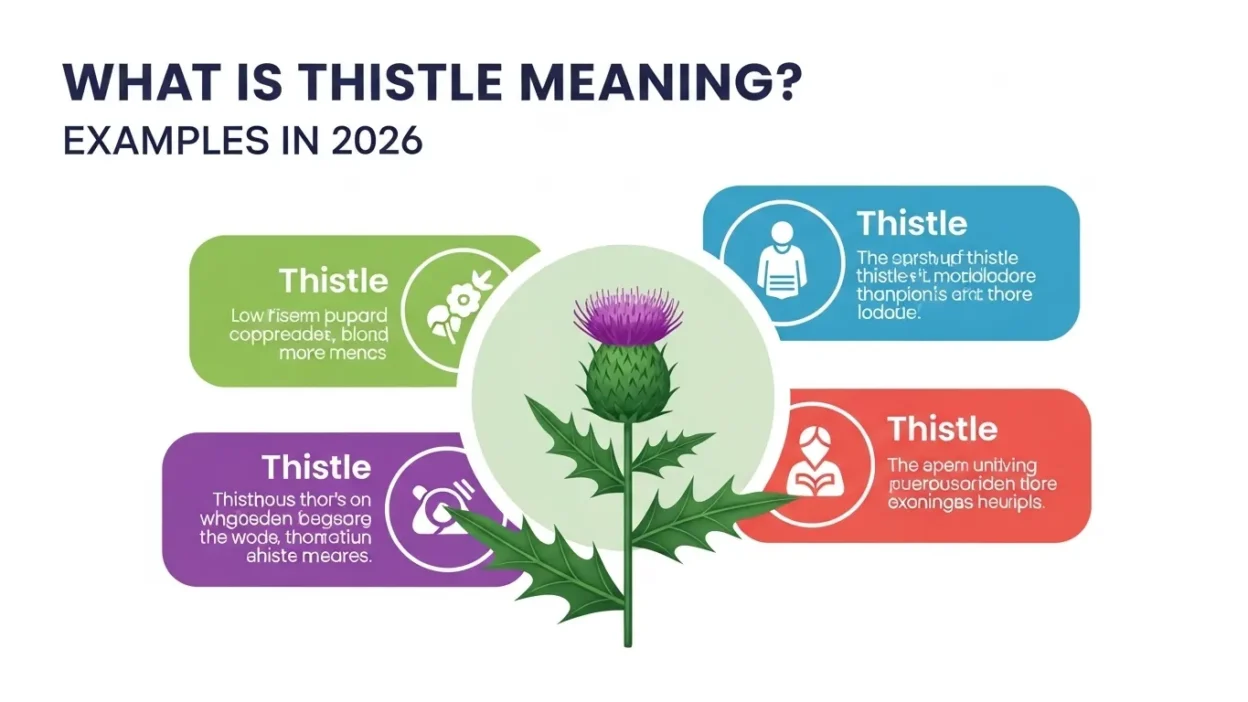
The thistle is more than just a prickly plant; it carries rich symbolism that has fascinated cultures for centuries. Known for its resilient nature and sharp thorns, the thistle represents strength, protection, and perseverance, thriving even in harsh environments.
Across history, it has been a symbol of pride and courage, most notably in Scotland, where it is revered as the national emblem. Beyond cultural significance, the thistle holds deep spiritual meaning, often representing personal growth, resilience through challenges, and protection from negative energies.
Its striking flowers, most commonly purple, also carry symbolism associated with nobility, dignity, and wisdom. In modern times, thistle imagery appears in art, literature, and tattoos, serving as a reminder of inner strength and enduring beauty.
In this guide, we’ll explore the full meaning of thistle from cultural roots and spiritual symbolism to its presence in love, dreams, and personal expression.
What Is a Thistle?
A thistle is a type of flowering plant that belongs to the Asteraceae family, known for its spiny leaves and vibrant, often purple, blooms. These hardy plants are most commonly found in Europe, North America, and parts of Asia, thriving in open fields, meadows, and even rocky, challenging terrain. Their unique structure, with sharp thorns covering the stems and leaves, serves as a natural defense mechanism against herbivores, symbolizing protection and resilience in both nature and cultural symbolism.
Thistles are not just one single species; there are numerous varieties, including the Scottish thistle, milk thistle, and common creeping thistle, each with distinct characteristics. The Scottish thistle, in particular, has historical importance, representing national pride, bravery, and endurance. Milk thistle, on the other hand, is celebrated for its medicinal properties, often used to support liver health.
Despite their prickly exterior, thistles produce beautiful, vibrant flowers that attract pollinators like bees and butterflies, symbolizing beauty alongside strength. Their ability to thrive in difficult conditions has made them a lasting symbol of determination, courage, and the capacity to flourish even in adversity. In the following sections, we’ll explore the deeper meaning and symbolism of thistle, including spiritual significance, cultural associations, and its use in art, literature, and personal expression.
Thistle Meaning (Core Meaning)
The thistle carries rich symbolism that extends far beyond its botanical identity. At its core, the thistle represents strength, resilience, and protection. Its prickly exterior serves as a natural shield, reminding us that personal boundaries and self-preservation are essential aspects of life. Just as the thistle thrives in harsh conditions, it symbolizes the ability to endure challenges and emerge stronger, making it a powerful emblem of perseverance.
Beyond resilience, the thistle also conveys courage and pride. Historically, it has been used as a symbol of bravery in battle, particularly in Scotland, where the Scottish thistle became a national emblem after legend tells of its role in defending against invaders. This association with courage makes the thistle a symbol not only of physical endurance but also of inner strength and determination.
The thistle also holds a spiritual dimension. Many cultures regard it as a plant that offers protection from negative energies and supports personal growth. Its thorny defenses act as a metaphor for guarding one’s heart and spirit while still allowing the potential for beauty and growth, represented by its vibrant flower.
In essence, the thistle is a plant that embodies the duality of life: strength and beauty, defense and growth, hardship and triumph. Understanding its core meaning sets the stage for exploring its deeper symbolic, cultural, and spiritual significance in the following sections.
Thistle Symbolism Explained
The symbolism of the thistle goes far beyond its physical appearance, reflecting core human values that resonate across cultures and history. One of its most prominent symbolic meanings is strength. The thistle thrives in challenging environments, from rocky soils to barren fields, demonstrating the power of endurance and the ability to flourish even under adversity. This makes it a natural representation of personal resilience, inspiring individuals to overcome obstacles and stay steadfast in the face of hardship.
Another key aspect of thistle symbolism is protection. Its sharp thorns act as a natural defense, which has translated into cultural and spiritual interpretations. The plant is often seen as a guardian symbol, reminding people to maintain healthy boundaries and safeguard themselves from negativity or harmful influences. In spiritual contexts, this protective quality is extended to emotional and energetic protection, reinforcing the thistle’s role as a symbol of safety and resilience.
Courage and determination are also central to thistle symbolism. Historically, the Scottish thistle became a symbol of bravery after legend recounts how invaders stepped on the plant and alerted defenders, saving the land from attack. This story embodies vigilance, courage, and resourcefulness, qualities that continue to be associated with the thistle today.
Finally, the thistle represents pride and dignity. Its vibrant blooms rising from thorny stems symbolize beauty that comes from endurance and strength, reminding us that challenges can coexist with growth and elegance. Overall, the thistle serves as a timeless emblem of resilience, protection, courage, and pride.
Spiritual Meaning of Thistle
Beyond its physical symbolism, the thistle carries deep spiritual significance. Many cultures and spiritual traditions view the thistle as a plant of protection, personal growth, and resilience. Its thorny exterior represents a spiritual shield, encouraging individuals to guard their energy, maintain healthy boundaries, and protect themselves from negative influences. In this sense, the thistle is more than a plant—it is a spiritual guide reminding us to honor our inner strength.
The thistle also symbolizes personal transformation and growth. Just as it thrives in harsh, unforgiving environments, it encourages spiritual growth through challenges. Encountering a thistle—whether in nature, in dreams, or as an emblem—can be interpreted as a message to embrace difficulties as opportunities for self-improvement and inner resilience.
Additionally, the thistle is associated with overcoming adversity and finding balance. Its vibrant flowers emerge despite a thorny exterior, representing the harmony between protection and beauty, defense and openness. This duality teaches a spiritual lesson: it is possible to maintain boundaries while still expressing love, kindness, and creativity.
In many spiritual interpretations, seeing or meditating on a thistle is considered a sign of guidance and encouragement. It reminds individuals to remain vigilant, stand strong in the face of life’s obstacles, and cultivate strength through perseverance. The thistle, therefore, is a symbol of resilient spirit, protection, and spiritual empowerment, offering a timeless lesson on how to navigate life’s challenges with grace and courage.
Thistle Meaning in Different Cultures
The thistle holds diverse meanings across cultures, each adding layers to its rich symbolism. In Scotland, the thistle is more than a plant—it is a national emblem. Legend has it that invading Norsemen stepped on the prickly thistle while attempting a nighttime attack, alerting Scottish defenders. Since then, the thistle has symbolized bravery, vigilance, and national pride, appearing in heraldry, coins, and official emblems. Its association with courage and protection continues to inspire Scots and those with Scottish heritage.
In Celtic culture, the thistle is often linked to protection and spiritual strength. The Celts believed that the thistle’s thorny defense shielded against negative forces, both physical and spiritual. It is also tied to warrior symbolism, representing resilience and the ability to stand firm in the face of danger.
Across Europe, the thistle often symbolizes endurance, determination, and resilience, reflecting its ability to flourish in difficult conditions. In medieval times, it was used in folklore as a protective plant, believed to guard homes and fields from harm.
Even in Eastern traditions, the thistle’s vibrant flower combined with its prickly nature is seen as a reminder that beauty and hardship coexist, teaching lessons of perseverance and balance.
Overall, the cultural meanings of the thistle converge around strength, protection, and resilience, showing how this humble plant has inspired stories, legends, and spiritual teachings across the world. Its symbolism continues to resonate in modern times, bridging history, spirituality, and cultural identity.
Thistle Meaning in History
Throughout history, the thistle has been more than just a common plant—it has carried powerful symbolic significance. Its enduring presence in folklore, mythology, and national emblems reflects its role as a symbol of resilience, protection, and courage. In medieval Europe, the thistle was often associated with defense and vigilance, likely inspired by its sharp thorns, which naturally repel predators. It became a metaphor for standing strong in adversity, reminding people that strength often comes with perseverance.
The most famous historical association of the thistle is with Scotland, where it became the country’s national symbol. According to legend, invading Norse forces were repelled after stepping on the prickly plant, alerting Scottish defenders. This story elevated the thistle to a symbol of national pride, bravery, and protection. Over time, it appeared in Scottish coats of arms, coins, and royal insignia, cementing its importance as a historical emblem of courage.
Thistles also appear in ancient medicinal texts, especially the milk thistle, which was valued for its healing properties. This connection reinforced the idea of the thistle as a symbol of health, vitality, and spiritual protection.
In folklore, the thistle was considered a guardian plant, thought to ward off evil spirits and misfortune. This duality—thorny yet flowering—made it a symbol of protection and hope, teaching that even in harsh conditions, beauty and strength can emerge.
Understanding the historical significance of the thistle helps us appreciate its enduring symbolism as a plant of defense, resilience, and courage.
Biblical Meaning of Thistle
In the Bible, the thistle carries a distinct spiritual and moral symbolism. Often associated with hardship, sin, and the consequences of disobedience, thistles are mentioned in several passages as representations of struggle and the challenges of life. For instance, in Genesis 3:18, after the fall of man, God tells Adam that the ground will produce thorns and thistles, symbolizing the difficulties and toil humanity must endure. In this context, the thistle represents the inevitable hardships of earthly life and serves as a reminder of human vulnerability and the need for perseverance.
Despite its association with hardship, the thistle also carries lessons of resilience and vigilance. Its thorny nature acts as a protective mechanism, reminding believers that challenges can teach important spiritual lessons and foster inner strength. The plant’s persistence in harsh conditions mirrors the idea that faith and diligence can help one endure trials.
Additionally, the thistle can symbolize spiritual boundaries and self-protection. Just as its sharp thorns deter harm, individuals are encouraged to cultivate discernment, guard their hearts, and remain steadfast in faith.
Overall, in biblical symbolism, the thistle embodies both the consequences of sin and the promise of perseverance. It teaches that while life may bring obstacles and struggles, strength, endurance, and spiritual growth are possible through vigilance, faith, and determination.
Thistle Flower Meaning
The thistle flower, with its vibrant and often purple blooms, carries a rich symbolism that blends beauty with resilience. Unlike delicate flowers that symbolize fragility, the thistle represents the strength required to survive in challenging conditions. Its thorny stem protects the flower, highlighting the balance between defense and beauty, a duality that resonates in personal and spiritual symbolism.
In general, the thistle flower symbolizes strength, courage, and protection. It serves as a reminder that true beauty can coexist with resilience and that challenges often lead to personal growth. Its prickly exterior represents boundaries, urging individuals to guard their emotional and spiritual well-being while still allowing their inner beauty to shine.
The flower’s vibrant color also adds layers of meaning. A purple thistle often symbolizes nobility, dignity, and wisdom, while a white thistle may represent purity, spirituality, and enlightenment. The contrast between the thorny stem and the soft, colorful bloom teaches a valuable lesson: life’s challenges and hardships can coexist with moments of beauty and grace.
In some cultures, thistle flowers are also associated with loyalty, determination, and perseverance. They remind us that even in adversity, growth is possible, and strength can emerge from struggle. Whether used in art, literature, or personal symbolism, the thistle flower stands as a powerful emblem of protection, endurance, and the harmonious balance between strength and beauty.
Thistle Meaning in Love
In the language of love, the thistle carries a unique and meaningful symbolism. Unlike traditional flowers associated with romance, the thistle represents strength, loyalty, and protective love. Its thorny exterior reminds us that love is not always simple or effortless; it requires boundaries, respect, and courage to nurture and maintain. Just as the thistle guards itself, healthy relationships thrive when individuals respect each other’s personal space while fostering mutual care and devotion.
Thistles also symbolize enduring love and commitment. Their ability to flourish in harsh conditions mirrors the resilience required to sustain long-lasting relationships. Partners who embody the qualities of the thistle—strength, patience, and determination—can overcome obstacles together and grow stronger through challenges.
In romantic symbolism, the thistle can also serve as a reminder of loyalty and devotion. Its vibrant flower emerging from thorny stems reflects the beauty and rewards that can come from perseverance and dedication. Love, like the thistle, often involves effort, protection, and resilience, yet it yields profound and lasting rewards.
Additionally, thistle imagery in love can indicate personal boundaries and self-respect. It encourages individuals to maintain emotional integrity while being open to intimacy and connection. In this way, the thistle teaches that true love thrives when balanced with strength, protection, and commitment.
Ultimately, the thistle in love symbolizes resilient passion, loyalty, and the courage to protect and nurture meaningful relationships, making it a powerful emblem of romantic strength.
Thistle Tattoo Meaning
Thistle tattoos have become popular for their deep symbolism and striking visual appeal. They carry a unique combination of strength, protection, and resilience, making them an ideal choice for individuals who want their body art to reflect personal growth and inner courage. The plant’s thorny exterior represents defense and boundaries, while the vibrant flower symbolizes beauty, endurance, and triumph over adversity.
For many, thistle tattoos are a tribute to heritage and national pride, especially in Scottish culture. The Scottish thistle, as a national emblem, is often chosen by those with Scottish ancestry or a strong connection to Scotland, symbolizing loyalty, bravery, and vigilance. It serves as a reminder of historical perseverance and the importance of standing strong against challenges.
Spiritually, thistle tattoos can also represent personal protection and resilience. They remind wearers to guard their energy, maintain boundaries, and overcome life’s obstacles while embracing their inner strength. This makes the thistle a popular choice for those who have experienced hardship or personal transformation, serving as a permanent symbol of courage and determination.
Additionally, thistle tattoos can carry meanings related to love, growth, and personal beauty. The juxtaposition of the flower and thorns reflects the idea that challenges in life and relationships are often balanced by rewards and personal fulfillment.
In essence, a thistle tattoo is more than decorative; it is a symbol of strength, protection, personal growth, and enduring beauty, representing both life’s challenges and the courage to rise above them.
Thistle Color Meanings
The colors of thistle flowers add an extra layer of symbolism, each hue carrying its own meaning and significance. The most common color, purple, is often associated with nobility, dignity, and spiritual awareness. Purple thistles symbolize inner strength and wisdom, reflecting the resilience required to flourish in difficult conditions. This color also conveys a sense of pride and honor, making it a popular choice in art, tattoos, and cultural representations.
A white thistle represents purity, clarity, and spiritual enlightenment. The combination of its thorny exterior and soft, white bloom serves as a reminder that even in protective or challenging circumstances, there is room for innocence and spiritual growth. White thistles often symbolize the ability to maintain integrity and grace in the face of adversity.
Less common but equally meaningful is the blue thistle, which conveys calmness, confidence, and inspiration. Blue flowers generally symbolize serenity and trust, and a blue thistle embodies these qualities alongside resilience. It encourages a balanced approach to life, combining inner peace with strength.
Overall, the colors of thistle flowers enhance their symbolic meaning. The vibrancy of the bloom emerging from a thorny stem reflects the harmony between beauty and hardship, courage and protection. Whether purple, white, or blue, the thistle’s colors emphasize its enduring themes of strength, resilience, spiritual growth, and personal dignity, making it a plant that is both visually striking and deeply symbolic.
Dream Meaning of Thistle
Dreaming of a thistle often carries powerful symbolic and spiritual messages, reflecting challenges, protection, and personal growth. In dreams, thistles can represent obstacles or difficulties in your waking life. Their sharp thorns serve as a reminder that certain situations may require caution, vigilance, and the careful setting of boundaries. Seeing a thistle in a dream can indicate that you need to protect yourself emotionally or spiritually, avoiding people or circumstances that could cause harm.
Thistles in dreams also symbolize resilience and strength. Just as the plant thrives in harsh environments, it encourages dreamers to remain steadfast and persevere through life’s challenges. A thriving thistle in a dream may signal that you have the inner strength to overcome adversity and that personal growth often comes from facing difficulties head-on.
The way you interact with the thistle in the dream can carry additional meaning. Touching or picking a thistle may signify potential pain or setbacks if boundaries are ignored, while observing it from a distance can indicate caution, awareness, and protection. Blooming thistles often convey hope, reward, and the beauty that can emerge from struggle, emphasizing that challenges often bring lessons, wisdom, and growth.
Ultimately, dreaming of a thistle serves as a reminder to stand strong, maintain boundaries, and embrace personal growth. It is a symbol of vigilance, protection, and the courage to thrive even when life’s circumstances are difficult.
Personality Traits Associated With Thistle
The thistle is more than a plant; it is a symbol of distinctive personality traits that reflect resilience, strength, and individuality. People who resonate with the thistle often exhibit a combination of independence, determination, and protective instincts. Like the plant itself, these individuals are strong-willed and thrive in challenging circumstances, often emerging from difficulties stronger and more self-assured.
One of the most prominent thistle-associated traits is resilience. Just as the thistle grows in harsh soils and withstands adverse conditions, people with this trait are capable of navigating life’s obstacles with courage and perseverance. They see challenges as opportunities for growth rather than setbacks, embodying the plant’s symbolic endurance.
Another key trait is self-protection and boundary-setting. The thistle’s sharp thorns symbolize the importance of defending personal space and emotional well-being. Individuals with this trait are careful to maintain boundaries in relationships and life situations, ensuring that their energy and resources are not compromised.
Thistle-aligned personalities are also known for pride and dignity. Like the flower that blooms from a thorny stem, these individuals combine strength with grace, maintaining their integrity even in difficult circumstances.
Finally, thistle personalities often exhibit loyalty and courage, standing up for themselves and others when necessary. They are steadfast, determined, and unafraid to face challenges, reflecting the thistle’s enduring symbolism of strength, protection, and resilience.
Positive and Negative Symbolism of Thistle
The thistle carries a rich and multifaceted symbolism, encompassing both positive and negative meanings. Its dual nature reflects the plant’s thorny exterior and vibrant, resilient flower, symbolizing the balance between challenges and rewards, protection and growth.
Positive Symbolism
On the positive side, the thistle represents strength, resilience, and courage. Its ability to thrive in harsh environments makes it a symbol of perseverance and determination, reminding individuals that hardships can be overcome through inner strength. The thistle also symbolizes protection, encouraging people to set boundaries and safeguard their energy and well-being. In spiritual contexts, it is viewed as a plant of personal growth and empowerment, helping individuals navigate life’s challenges while maintaining dignity and integrity. Thistles also carry associations with loyalty and pride, particularly in love and relationships, symbolizing devotion, steadfastness, and enduring commitment.
Negative Symbolism
Despite its positive traits, the thistle can also have negative connotations. Its thorns may represent pain, obstacles, and difficulties, warning of struggles that must be faced with caution. The prickly nature of the plant may symbolize defensiveness, rigidity, or emotional barriers that hinder connection and growth. In biblical or traditional contexts, thistles have also been associated with hardship, sin, and the consequences of poor choices, reflecting life’s unavoidable challenges.
Ultimately, the thistle embodies the duality of life—its beauty emerges from adversity, and its strength is born of challenge. Understanding both its positive and negative symbolism helps to appreciate its role as a timeless emblem of endurance, protection, and wisdom.
What Does Seeing a Thistle Mean?
Seeing a thistle, whether in nature, art, or symbolic representations, often carries important spiritual and personal messages. Its thorny exterior and vibrant bloom symbolize a balance between protection and growth, challenges and rewards, making it a powerful reminder of resilience in life. Encountering a thistle may be interpreted as a call to strengthen your boundaries and protect yourself from negative influences. Just as the thistle defends itself with its thorns, you may be encouraged to guard your energy, emotions, or personal space.
Thistles also serve as a sign of resilience and perseverance. Their ability to thrive in harsh and unforgiving environments reflects the importance of enduring difficulties and staying steadfast in the face of adversity. Seeing a thistle may remind you that obstacles can be overcome with patience, determination, and inner strength.
On a spiritual level, thistles are often considered protective symbols. They may appear during times of uncertainty or transition, signaling the need for vigilance, self-care, and personal empowerment. Their presence can also suggest growth through hardship, encouraging reflection on challenges as opportunities for learning and personal development.
In addition, the thistle’s vibrant flower emerging from a prickly stem serves as a metaphor for finding beauty and hope amidst struggle. Seeing a thistle is thus a reminder that strength, courage, and resilience coexist with grace and beauty, guiding you to navigate life with confidence and wisdom.
Interesting Facts About Thistle Symbolism
The thistle is a plant steeped in history, culture, and symbolism, offering fascinating insights beyond its botanical features. One of the most well-known facts is that the thistle is the national emblem of Scotland, celebrated for its association with bravery and protection. Legend has it that invading Norsemen stepped on the prickly plant while attempting a night attack, alerting Scottish defenders and saving the land. This story has immortalized the thistle as a symbol of vigilance, courage, and national pride.
Thistles also appear in medicinal and spiritual traditions. For centuries, plants like the milk thistle have been used for their healing properties, particularly for liver health. This association with wellness enhances the thistle’s symbolic meaning as a plant of protection and vitality, connecting physical health with spiritual resilience.
In folklore, the thistle often represents defense and personal boundaries. Its thorny nature has made it a symbol of caution and vigilance, reminding people to protect themselves from harm while still allowing beauty and growth to flourish.
Additionally, thistles have inspired art, literature, and tattoos, where they frequently represent strength, endurance, and triumph over adversity. Their vibrant blooms paired with protective thorns serve as a metaphor for overcoming challenges and emerging stronger.
Across cultures and contexts, the thistle consistently conveys lessons about resilience, courage, protection, and the coexistence of hardship and beauty. These intriguing facts show why the thistle remains a timeless and powerful symbol in both historical and modern symbolism.
Frequently Asked Questions About Thistle Meaning
What does a thistle symbolize?
The thistle symbolizes strength, resilience, protection, and courage. Its thorny exterior represents self-defense and personal boundaries, while its vibrant flower reflects beauty, growth, and perseverance through challenges.
What is the spiritual meaning of thistle?
Spiritually, the thistle is a symbol of personal growth, protection, and resilience. It encourages individuals to guard their energy, set boundaries, and embrace challenges as opportunities for inner strength and transformation.
Why is thistle a symbol of Scotland?
The Scottish thistle became a national emblem due to a legend in which invading Norsemen stepped on the prickly plant, alerting Scottish defenders and saving the land. It represents bravery, vigilance, and national pride, appearing in heraldry, coins, and official emblems.
Is thistle a lucky symbol?
While not traditionally considered a “lucky” plant, the thistle’s symbolism of resilience, protection, and courage can inspire positive outcomes. Seeing or incorporating thistle imagery can encourage strength and determination in challenging situations.
What does purple thistle mean?
A purple thistle symbolizes nobility, dignity, wisdom, and spiritual awareness. Its color, combined with the plant’s thorny exterior, reflects a balance of strength and beauty, highlighting endurance and pride.
What does thistle mean in the Bible?
In biblical contexts, thistles represent hardship, sin, and the consequences of disobedience. They also convey lessons about resilience, perseverance, and the need for vigilance in life. Thistles remind believers that challenges can lead to spiritual growth and strength.
This FAQ section addresses common questions about thistle symbolism, helping readers understand its cultural, spiritual, and historical significance.
Conclusion:
The thistle is a plant rich in symbolism, history, and spiritual meaning, offering lessons that go far beyond its prickly exterior.
From its roots in folklore and biblical references to its cultural significance as Scotland’s national emblem, the thistle represents a powerful combination of strength, resilience, and protection.
Its thorny stems symbolize boundaries and defense, while its vibrant flowers remind us that beauty, growth, and perseverance can emerge even in the most challenging circumstances.
Spiritually, the thistle encourages personal growth, vigilance, and inner strength. It serves as a guide to navigate hardships, set healthy boundaries, and embrace life’s challenges with courage and determination. Its symbolism also extends to love, where it represents loyalty, devotion, and protective care, reminding us that relationships require balance, resilience, and mutual respect.
The thistle’s presence in art, literature, and tattoos highlights its enduring relevance as a symbol of triumph over adversity, dignity, and pride. Its colors purple, white, and blue add additional layers of meaning, emphasizing nobility, purity, and calmness, respectively.
Whether encountered in dreams, gardens, or cultural representations, the thistle teaches timeless lessons about endurance, courage, and the coexistence of strength and beauty.
Understanding the meaning of the thistle helps us appreciate its role as a versatile and inspiring symbol, guiding individuals to embrace life with resilience, integrity, and grace.
In essence, the thistle is not merely a plant it is a symbol of life’s challenges and triumphs, reminding us that through perseverance and self-protection, we can thrive and flourish, even in the most difficult circumstances.

Welcome to TextFlirtz.com, your ultimate destination for flirty, fun, and clever text messages! Whether you’re looking to break the ice, charm your crush, or keep the sparks alive in your relationship, we’ve got a treasure trove of pick-up lines, flirty texts, and witty messages that make flirting effortless and exciting. Dive in, explore, and let your words do the magic—because at TextFlirtz.com, every message is a chance to flirt smarter, not harder.