

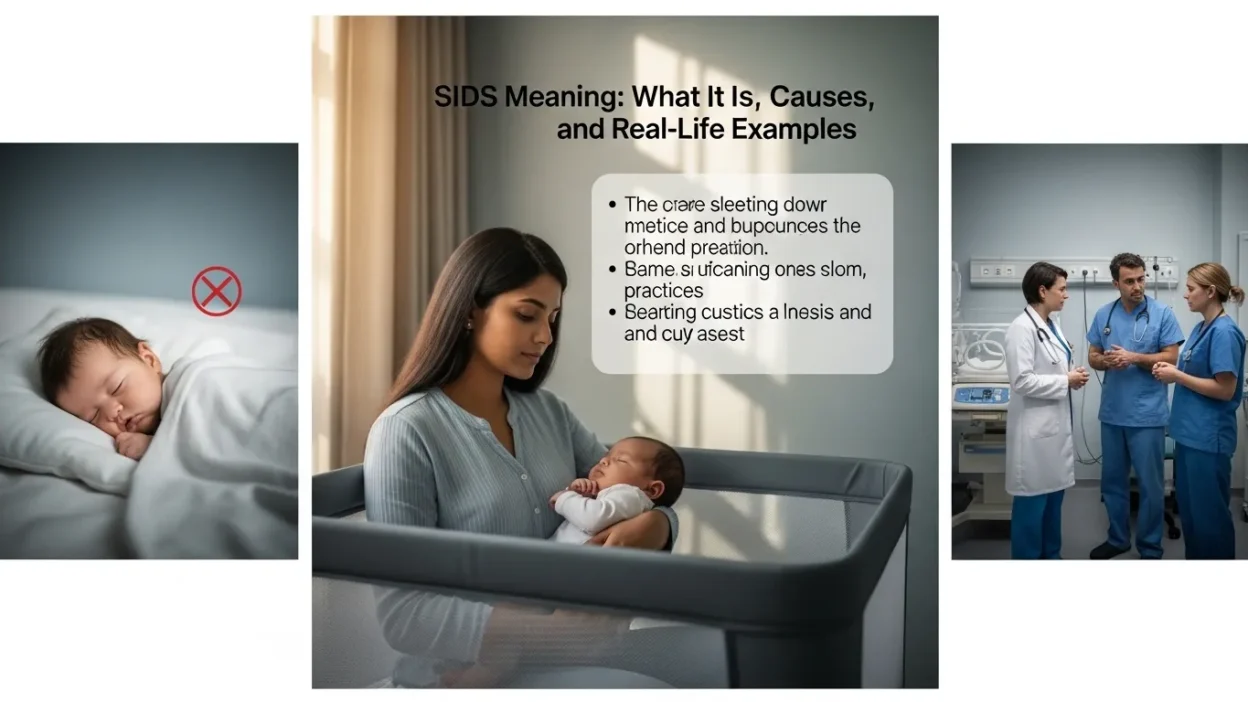
Sudden Infant Death Syndrome, commonly known as SIDS, is a topic that every parent and caregiver needs to understand. The term SIDS refers to the unexpected and unexplained death of a seemingly healthy baby, usually during sleep.
While the exact causes of SIDS remain a medical mystery, understanding its meaning, risk factors, and prevention strategies can make a significant difference in protecting infants.
Parents often search for “SIDS meaning” to learn not just the definition but also practical ways to keep their babies safe. SIDS most commonly affects infants under one year of age, with the highest risk occurring between two and four months.
By educating yourself about SIDS, recognizing risk factors, and adopting safe sleep practices, you can reduce the chances of this tragic occurrence. In this article, we will explore everything you need to know about SIDS meaning, causes, prevention, and guidelines for safe infant sleep.
What Does SIDS Mean?
SIDS stands for Sudden Infant Death Syndrome, a medical term used to describe the sudden and unexplained death of an infant, usually during sleep. It is sometimes referred to as crib death because it often happens while a baby is sleeping in a crib. Importantly, SIDS is not caused by illness or injury that can be easily diagnosed. Instead, it occurs unexpectedly, often leaving parents and caregivers with questions and grief.
The Full Form of SIDS
Breaking it down:
- Sudden – The event happens unexpectedly, without warning.
- Infant – It affects babies under one year old, most commonly between two and four months.
- Death – Tragically, the outcome is fatal.
- Syndrome – Refers to a set of conditions or patterns, even though the exact cause is unknown.
Why It Happens Is Still a Mystery
Despite extensive research, doctors and scientists cannot pinpoint a single cause for SIDS. Studies suggest that it may involve a combination of factors, including irregularities in brain development, problems with breathing, or difficulties with the body’s ability to regulate heart rate and sleep patterns.
Understanding the Importance
Knowing the meaning of SIDS helps parents recognize the seriousness of infant sleep safety. While the term itself may sound alarming, awareness empowers caregivers to adopt safe sleep practices, reduce risk factors, and make informed decisions to protect their babies.
What Happens During SIDS?
Sudden Infant Death Syndrome (SIDS) occurs when a seemingly healthy baby dies unexpectedly, usually during sleep. The most distressing aspect of SIDS is that it happens without warning, leaving no time for intervention. In many cases, babies appear completely normal before sleep and show no signs of illness or distress.
How SIDS Usually Occurs
SIDS often takes place when a baby is lying on their back or stomach during sleep, typically in a crib, bassinet, or adult bed. Researchers believe that SIDS may be linked to problems with the baby’s brain, particularly the areas that control breathing, heart rate, and sleep cycles. Some infants may have difficulty detecting low oxygen levels or responding to a lack of oxygen while asleep, which can contribute to this tragic event.
Why It’s Unexplained
Even after a thorough medical investigation, including an autopsy, the exact cause of SIDS often remains unknown. Unlike suffocation or accidents, SIDS leaves no clear physical signs, making it particularly challenging for doctors and grieving parents.
The Silent Risk
Most SIDS cases happen during the first six months of life, with a peak around two to four months. While it is rare, the sudden nature of the syndrome makes it one of the leading causes of infant mortality in this age group.
Understanding what happens during SIDS emphasizes the importance of safe sleep practices, awareness of risk factors, and proactive steps parents can take to reduce the likelihood of this devastating event.
At What Age Does SIDS Occur?
Sudden Infant Death Syndrome (SIDS) primarily affects infants under one year old, with the highest risk occurring during the first six months of life. Understanding the age range of vulnerability is crucial for parents and caregivers, as it helps in implementing the safest sleep practices during the period when babies are most at risk.
Peak Risk Period
Research shows that SIDS is most likely to happen between two and four months of age. During this time, babies are still developing crucial systems that regulate breathing, heart rate, and sleep cycles. Any irregularities in these systems can make it harder for a baby to respond to low oxygen levels or other subtle dangers during sleep.
Why Newborns Are Vulnerable
Newborns and very young infants have immature central nervous systems, which are responsible for controlling automatic functions like breathing and heart rate. This immaturity can make it more difficult for them to wake up or adjust their breathing if they experience stress, such as being in an unsafe sleep position or sleeping on a soft surface.
Risk Declines After Six Months
While SIDS can occur at any time within the first year, the risk gradually decreases after six months. By the time a baby reaches one year, the likelihood of SIDS is extremely low because their sleep regulation and reflexes are more developed.
By knowing the age range most at risk, parents can take extra precautions during those critical months, including placing babies on their backs to sleep, keeping the crib free of soft items, and maintaining a safe sleep environment. Awareness of age-specific risk is one of the most effective tools in reducing SIDS occurrences.
What Causes SIDS?
The exact cause of Sudden Infant Death Syndrome (SIDS) remains a mystery, which is why it is so alarming to parents and caregivers. Despite extensive research, doctors have not been able to identify a single factor responsible for SIDS. Instead, it is believed to result from a combination of biological, environmental, and developmental factors.
Possible Biological Causes
Some babies may have subtle abnormalities in the brain regions that control breathing, heart rate, and arousal from sleep. These irregularities can make it difficult for an infant to wake up if oxygen levels drop or carbon dioxide rises during sleep.
Sleep Environment Factors
The baby’s sleep environment can play a major role. Soft bedding, loose blankets, pillows, or sleeping on a couch or adult bed can increase the risk. Babies who sleep on their stomachs or sides are also at higher risk compared to those who sleep on their backs.
Other Contributing Factors
- Premature birth or low birth weight: These can affect the development of crucial brain functions.
- Maternal smoking during pregnancy: Exposure to tobacco smoke can interfere with oxygen delivery and brain development.
- Overheating: Excessive blankets or high room temperature can make babies more vulnerable.
Multifactorial Nature
SIDS is usually the result of several risk factors interacting rather than a single cause. This complexity is why it is difficult to predict or prevent entirely.
Understanding the potential causes of SIDS helps parents take proactive steps to reduce risks and create a safer sleeping environment for their infants. Awareness, vigilance, and adherence to safe sleep guidelines remain the most effective preventive measures.
Risk Factors for SIDS
While the exact cause of Sudden Infant Death Syndrome (SIDS) is unknown, research has identified several risk factors that can increase the likelihood of an infant being affected. Understanding these factors allows parents and caregivers to take preventative steps and create a safer sleep environment.
Sleeping Position
Babies who sleep on their stomachs or sides are at a higher risk of SIDS compared to those who sleep on their backs. The back-sleeping position helps keep the airway open and reduces the chances of suffocation.
Unsafe Sleep Environment
Soft bedding, pillows, blankets, stuffed animals, or sleeping on a couch or adult bed can increase the risk of SIDS. Infants should always sleep on a firm mattress in a crib or bassinet with no loose items.
Premature Birth and Low Birth Weight
Babies born prematurely or with low birth weight may have underdeveloped brain functions, affecting their ability to control breathing, heart rate, and arousal during sleep.
Maternal Smoking and Exposure to Smoke
Smoking during pregnancy or exposure to secondhand smoke increases the risk of SIDS by interfering with the baby’s oxygen supply and brain development.
Overheating
Excessive clothing, blankets, or high room temperatures can make babies more vulnerable to SIDS.
Other Factors
- Family history of SIDS
- Young maternal age
- Multiple births (twins, triplets)
By understanding these risk factors, parents can take proactive measures such as placing the baby on their back to sleep, avoiding soft bedding, and maintaining a smoke-free environment. Awareness and prevention are key tools in reducing the risk of this tragic syndrome.
How Common Is SIDS?
Sudden Infant Death Syndrome (SIDS) is a rare but tragic occurrence that continues to affect families worldwide. Understanding its prevalence helps parents appreciate the importance of safe sleep practices while also putting the risk into perspective.
Global Statistics
SIDS is one of the leading causes of death among infants under one year of age. According to global health data, thousands of babies die from SIDS each year, though rates vary widely by country due to differences in healthcare access, awareness, and safe sleep practices.
Statistics in the United States
In the United States, the Centers for Disease Control and Prevention (CDC) estimates that approximately 3,500 infants die from SIDS or other sleep-related causes each year. Over the past few decades, public health campaigns promoting safe sleep guidelines have significantly reduced these numbers.
Age-Specific Risk
SIDS is most common in infants between two and four months old, with risk gradually declining after six months. While it is extremely rare after one year, awareness remains crucial throughout the first year of life.
Impact of Awareness and Prevention
Countries that implement safe sleep campaigns—promoting back-sleeping, firm mattresses, and smoke-free environments—have seen substantial declines in SIDS rates. This shows that while SIDS cannot be entirely predicted or prevented, informed parenting and safe sleep practices can greatly reduce the risk.
By understanding how common SIDS is and the factors that influence its occurrence, parents can take practical steps to protect their babies, creating a safer sleep environment and reducing anxiety about this tragic syndrome.
Warning Signs and Myths About SIDS
Sudden Infant Death Syndrome (SIDS) is particularly frightening because it often occurs without warning, leaving parents feeling unprepared. Unlike illnesses that show symptoms, SIDS usually affects babies who appear healthy and normal, making prevention and awareness crucial.
Are There Warning Signs?
Unfortunately, there are no specific warning signs of SIDS. Babies at risk often show no symptoms, and the event occurs suddenly during sleep. This unpredictability is why experts emphasize safe sleep practices for all infants, regardless of health history or perceived risk.
Common Myths About SIDS
- Vaccines Cause SIDS
Some parents worry that routine vaccinations increase the risk of SIDS. This is false. Research consistently shows that vaccines do not cause SIDS, and in fact, immunized babies may have a slightly lower risk. - Babies Choke While Sleeping on Their Backs
Another common misconception is that babies are safer sleeping on their stomachs to avoid choking. Studies show that back-sleeping is the safest position, as babies have reflexes that protect them from choking, even if they spit up. - SIDS Only Happens to Sick Babies
Many assume only unhealthy infants are affected. In reality, SIDS often occurs in otherwise healthy babies, emphasizing the importance of preventive measures for all infants. - SIDS Can Be Predicted
There is no test or screening to predict SIDS. Awareness and reducing risk factors remain the best approach.
Understanding these myths helps parents make informed decisions and avoid unnecessary fear while focusing on practical steps to reduce SIDS risk.
How to Reduce the Risk of SIDS
While Sudden Infant Death Syndrome (SIDS) cannot be completely prevented, research shows that taking specific safety measures can significantly reduce the risk. Parents and caregivers can create a safer sleep environment by following simple, evidence-based practices.
1. Place Babies on Their Backs to Sleep
The single most effective way to reduce SIDS risk is to place infants on their backs for every sleep, including naps. This position helps keep the airway open and lowers the chance of breathing difficulties.
2. Use a Firm Mattress
Babies should sleep on a firm, flat mattress in a crib or bassinet. Avoid soft surfaces, pillows, quilts, and stuffed animals, which can obstruct breathing.
3. Keep the Sleep Area Simple
Ensure the baby’s sleep space is free of loose bedding, toys, or bumper pads. A simple, uncluttered crib helps prevent accidental suffocation.
4. Room Sharing Without Bed Sharing
Babies should sleep in the same room as their parents for the first 6–12 months, but on a separate sleep surface. Bed-sharing increases the risk of accidental suffocation.
5. Avoid Smoking
Maternal smoking during pregnancy and exposure to secondhand smoke after birth significantly increase SIDS risk. Maintaining a smoke-free environment is critical.
6. Regulate Temperature
Avoid overheating by dressing babies in light clothing and keeping the room at a comfortable temperature.
7. Consider a Pacifier
Using a pacifier during naps and bedtime has been associated with a lower risk of SIDS, though it is optional and should be introduced once breastfeeding is well established.
By following these steps, parents can dramatically reduce the risk of SIDS while providing a safe, comfortable, and secure sleep environment for their infants.
Safe Sleep Guidelines for Babies
Creating a safe sleep environment is one of the most effective ways to reduce the risk of Sudden Infant Death Syndrome (SIDS). Following established safe sleep guidelines ensures that babies sleep comfortably while minimizing potential hazards.
1. Always Place Babies on Their Backs
Babies should be placed on their backs for every sleep, including naps. This position keeps the airway clear and is consistently recommended by pediatric experts as the safest.
2. Use a Firm, Flat Sleep Surface
Infants should sleep on a firm mattress covered with a fitted sheet. Avoid soft surfaces such as sofas, armchairs, or adult beds, as these increase the risk of suffocation.
3. Keep the Crib Clear
Cribs, bassinets, or portable play yards should be free of blankets, pillows, bumper pads, toys, and loose bedding. These items can block airflow or pose choking hazards.
4. Room Sharing Without Bed Sharing
Experts recommend that babies sleep in the same room as their parents for the first 6–12 months, but on a separate surface. This allows parents to monitor their infant while reducing the risk of accidental suffocation.
5. Avoid Smoking
Ensure a smoke-free environment for the baby. Exposure to tobacco smoke, even secondhand, is a major risk factor for SIDS.
6. Regulate Temperature
Keep the room comfortably cool and dress the baby in light sleep clothing to prevent overheating.
7. Optional Pacifier Use
Offering a pacifier at naps and bedtime may reduce the risk of SIDS, though it should not interfere with breastfeeding.
By following these safe sleep guidelines, parents can significantly lower the risk of SIDS and provide a secure, restful environment for their infant’s growth and development.
Difference Between SIDS and Suffocation
Many parents confuse Sudden Infant Death Syndrome (SIDS) with suffocation, but it is important to understand the difference. While both involve the death of an infant during sleep, the causes and nature of the events are different.
What Is SIDS?
SIDS is the unexpected and unexplained death of an apparently healthy baby, usually during sleep. Even after a thorough autopsy and investigation, doctors often cannot determine a specific cause. SIDS is considered a syndrome because it likely results from a combination of biological and environmental factors, including immature brain development, breathing irregularities, and sleep conditions.
What Is Suffocation?
Suffocation occurs when a baby’s airway is physically blocked, preventing them from breathing. This can happen due to soft bedding, pillows, stuffed toys, or a parent rolling onto the baby during bed-sharing. Unlike SIDS, suffocation has a clear and identifiable cause, and it can often be prevented by removing hazards from the baby’s sleep environment.
Key Differences
- Predictability: SIDS is unpredictable, while suffocation is linked to identifiable hazards.
- Cause: SIDS has no clear cause; suffocation results from obstruction of the airway.
- Investigation: Autopsies can often identify suffocation, but SIDS cases usually remain unexplained.
Understanding the distinction helps parents focus on preventive measures. While SIDS cannot be entirely predicted, creating a safe sleep environment—free from soft bedding, hazards, and unsafe sleep positions—reduces the risk of both SIDS and accidental suffocation. Awareness of the differences ensures informed decisions and safer sleep practices for infants.
What Should Parents Do If They Are Concerned?
It is natural for parents to feel anxious about Sudden Infant Death Syndrome (SIDS), especially during the first months of a baby’s life. While the risk is real, there are practical steps parents can take to protect their infant and ease anxiety.
Monitor the Baby’s Sleep Safely
Use a crib or bassinet that meets safety standards, and place the baby on their back for every sleep. Avoid bed-sharing and ensure that the sleep area is free from pillows, blankets, and toys. These measures create a safer sleep environment and reduce the risk of SIDS and accidental suffocation.
Consult a Pediatrician
If parents are worried about their baby’s health or sleep patterns, consulting a pediatrician can provide reassurance and guidance. Pediatricians can offer advice on safe sleep practices, developmental milestones, and risk reduction strategies.
Consider Baby Monitors Carefully
While baby monitors can provide extra peace of mind, they cannot prevent SIDS. Use them for monitoring breathing or sleep patterns, but do not rely on technology alone.
Educate Yourself
Learning about SIDS, risk factors, and safe sleep guidelines empowers parents to make informed decisions. Knowledge reduces fear and helps families feel confident in their ability to protect their baby.
Manage Anxiety
It is normal to feel anxious, but excessive worry can affect sleep and well-being. Support from family, friends, or parent groups can help parents cope and maintain a balanced approach to infant care.
By taking these steps—monitoring sleep, consulting professionals, and staying informed—parents can minimize risk, feel more confident, and provide a safe and nurturing environment for their baby.
Emotional Impact of SIDS on Families
The sudden and unexplained nature of Sudden Infant Death Syndrome (SIDS) makes it one of the most devastating events a family can experience. The emotional impact often extends far beyond the initial shock, affecting parents, siblings, and extended family members.
Grief and Trauma
Parents who lose a baby to SIDS frequently experience intense grief, guilt, and confusion. Many struggle with the question of “Why did this happen?” despite doing everything possible to create a safe environment. Feelings of sadness, anger, and helplessness are common, and it may take months or even years to process the loss.
Anxiety for Future Children
After experiencing SIDS, some parents feel heightened anxiety when caring for subsequent children. Concerns about sleep positions, bedding, and health may become overwhelming. Awareness of safe sleep practices can help, but emotional scars often remain.
Support Systems
Family, friends, and community support play a crucial role in coping with grief. Counseling, support groups, and therapy are highly recommended for parents and caregivers affected by SIDS. Sharing experiences with others who understand the trauma can provide comfort and validation.
Importance of Awareness
While SIDS is tragic, understanding risk factors, prevention strategies, and safe sleep guidelines empowers families. Being informed allows parents to take proactive steps, potentially reducing anxiety while fostering a safer environment for future infants.
Recognizing the emotional impact of SIDS helps communities respond with empathy and support. With proper care, counseling, and education, families can gradually heal and regain confidence in nurturing and protecting their children.
Current Research and Studies on SIDS
Although Sudden Infant Death Syndrome (SIDS) remains largely unexplained, ongoing research is helping medical professionals understand potential causes and ways to reduce risk. Advances in science and epidemiology have provided valuable insights into infant sleep safety, biological vulnerabilities, and preventive strategies.
Brain Development Studies
Recent research focuses on brain abnormalities in areas that control breathing, heart rate, and arousal during sleep. Some studies suggest that certain infants may have underdeveloped or malfunctioning neurons, making it difficult for them to respond to low oxygen or elevated carbon dioxide levels while sleeping. Understanding these neurological factors may eventually lead to better risk assessment and early interventions.
Sleep Environment Research
Public health studies have consistently shown that sleep position and environment play a critical role in reducing SIDS risk. Campaigns promoting back-sleeping, firm mattresses, and smoke-free environments have dramatically decreased SIDS rates in countries like the United States and the United Kingdom. Researchers continue to study optimal crib setups, room-sharing arrangements, and the role of pacifiers in reducing SIDS.
Genetic and Biological Factors
Some studies are exploring genetic links and predispositions that may make certain infants more vulnerable. Researchers are examining metabolic disorders, heart arrhythmias, and other inherited conditions that could contribute to SIDS.
The Goal of Research
While SIDS cannot be entirely predicted or prevented, ongoing studies aim to identify high-risk infants, improve public health guidelines, and educate parents about safe sleep practices. Continued research brings hope that future advances will reduce SIDS occurrences even further.
Understanding the latest studies allows parents to stay informed, adopt evidence-based safety measures, and feel empowered to protect their infants.
Frequently Asked Questions About SIDS
Parents and caregivers often have many questions about Sudden Infant Death Syndrome (SIDS). Understanding the answers can help reduce anxiety and provide clarity about prevention, risk factors, and safe sleep practices.
Can SIDS Be Prevented?
While SIDS cannot be completely prevented, the risk can be significantly reduced by following safe sleep guidelines. Placing babies on their backs to sleep, using a firm mattress, keeping the crib free of loose bedding, and maintaining a smoke-free environment are among the most effective preventive measures.
Is SIDS Genetic?
Most cases of SIDS are not inherited, though some infants may have genetic factors that increase vulnerability, such as issues with heart rhythm or brain development. Genetics alone do not cause SIDS, but they may contribute when combined with other risk factors.
Does Using a Pacifier Reduce SIDS Risk?
Research suggests that offering a pacifier during naps and bedtime may lower the risk of SIDS. The exact reason is unclear, but it is thought to help babies maintain proper breathing patterns during sleep. Pacifiers should be introduced after breastfeeding is well established.
Is SIDS the Same as Crib Death?
Yes, SIDS is sometimes called crib death, because it often occurs during sleep in a crib. However, SIDS specifically refers to unexplained deaths, while crib death can also include suffocation or accidents.
Does Co-Sleeping Increase SIDS Risk?
Bed-sharing with parents or siblings increases the risk of accidental suffocation and SIDS. Room-sharing without bed-sharing is recommended for the first 6–12 months.
By addressing these common questions, parents can gain confidence in safe sleep practices and take proactive steps to protect their infants.
Conclusion:
Understanding the meaning of Sudden Infant Death Syndrome (SIDS) is essential for every parent and caregiver.
SIDS refers to the sudden, unexplained death of an apparently healthy infant, usually during sleep, and while the exact cause remains unknown, awareness of risk factors and preventive measures can make a significant difference.
Throughout the first year of life, particularly between two and four months, babies are most vulnerable due to their developing brain, heart, and breathing systems.
Factors such as sleep position, unsafe bedding, exposure to smoke, and overheating can increase the risk.
By following evidence-based safe sleep guidelines placing babies on their backs, using a firm mattress, keeping the crib clutter free, and maintaining a smoke free environment parents can significantly reduce the likelihood of SIDS.
It is important to recognize that SIDS can occur even in otherwise healthy infants, which is why proactive care and vigilance are crucial. Equally important is understanding the emotional impact SIDS can have on families and seeking support if needed.
Awareness, education, and preventive practices empower parents to protect their babies while reducing anxiety about this tragic syndrome.
Ongoing research continues to explore the biological, genetic, and environmental factors that contribute to SIDS. While scientists work toward greater understanding, parents can take immediate action by creating safe sleep environments and following expert recommendations.
By staying informed and cautious, caregivers can help ensure their infants sleep safely, giving families peace of mind and reducing the risk of this devastating condition.

Welcome to TextFlirtz.com, your ultimate destination for fun, flirty, and clever pick-up lines that spark conversations and make hearts skip a beat! Whether you’re looking to impress your crush, add some humor to your chats, or just have a playful time texting, we’ve got you covered with lines that are witty, spicy, and unforgettable. Dive in, explore our collections, and start flirting the smart way—because at TextFlirtz.com, words are your best wingman!