

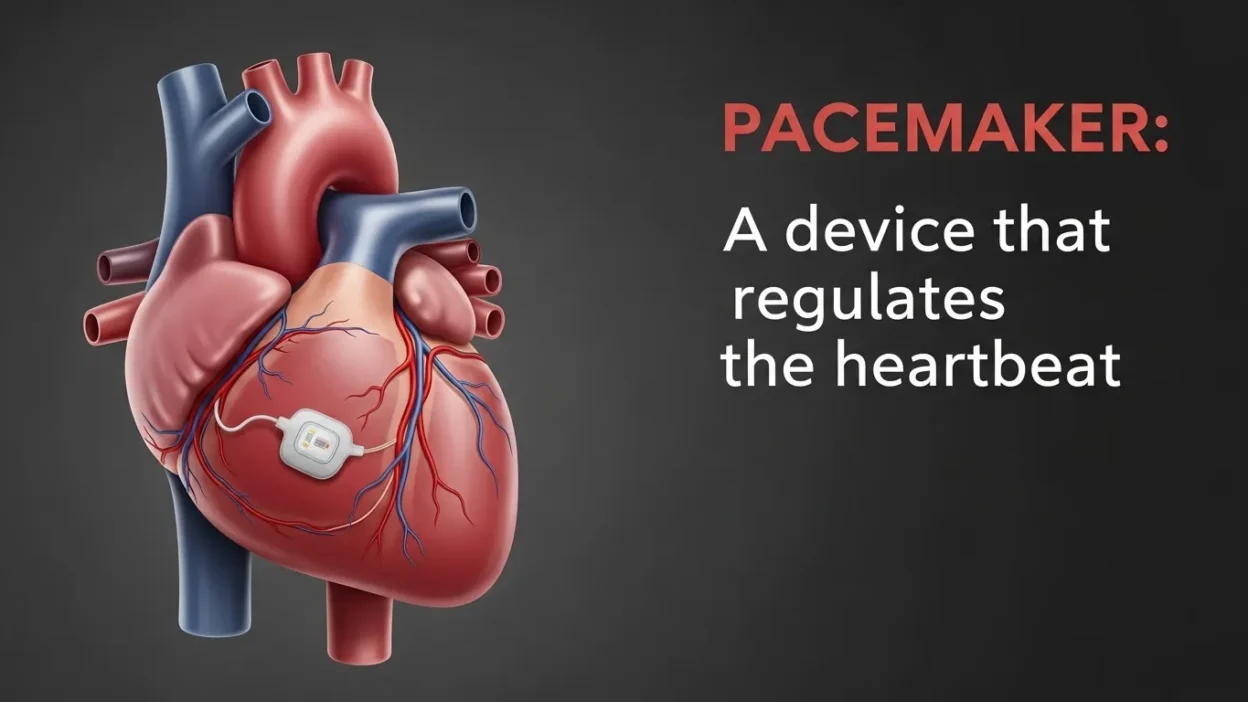
Life support is a term that often brings both curiosity and concern. At its core, life support refers to medical treatments and machines designed to sustain vital body functions when a person’s body cannot do so naturally.
These functions may include breathing, circulation, or organ performance, and life support systems can be temporary or long-term depending on the patient’s condition.
Whether it’s a patient recovering from surgery, battling a severe illness, or in a critical state due to injury, life support plays a crucial role in modern medicine.
Understanding what life support truly means can help families, students, and curious readers grasp the technology, care, and ethical considerations involved.
In this article, we will explore the definition, types, uses, and complexities of life support, providing a comprehensive guide to help you understand this essential aspect of healthcare.
What Is Life Support?
Life support is a medical term used to describe the treatments and machines that help sustain essential bodily functions when a person’s body cannot maintain them on its own. These vital functions include breathing, blood circulation, kidney function, and nutrition. In simple terms, life support acts as a temporary “help system” for the body, giving doctors time to treat the underlying illness or injury and allowing the patient’s organs to recover.
In hospitals, life support can range from basic interventions, such as oxygen therapy, to advanced technologies like mechanical ventilators, heart–lung machines, and extracorporeal membrane oxygenation (ECMO). While it is often associated with critical care units, life support can also be used during surgeries or in emergency situations to stabilize a patient’s condition.
It’s important to note that life support does not cure diseases by itself. Instead, it maintains life by performing or assisting vital bodily functions until the patient can recover, or until a decision is made about further treatment. Because of this, life support is often discussed alongside medical ethics, especially when patients face long-term dependence on machines.
Outside of medicine, the term “life support” is sometimes used figuratively to describe anything that sustains or keeps something alive, such as an organization, project, or ecosystem. However, in a medical context, it refers specifically to the technology and care designed to preserve life during critical situations.
Purpose of Life Support
The primary purpose of life support is to maintain essential bodily functions when a person’s body cannot do so on its own. This includes critical processes such as breathing, circulation, and organ function. By performing these vital tasks, life support gives the body a chance to recover from severe illnesses, injuries, or surgical procedures.
One of the most common uses of life support is to assist with breathing. Patients who are unable to breathe adequately on their own may rely on mechanical ventilators or oxygen therapy to ensure their tissues receive enough oxygen. Similarly, life support can assist circulation through devices like heart–lung machines, which temporarily take over the function of the heart and lungs during complex surgeries or critical conditions.
Life support is also crucial in cases of organ failure. For example, dialysis machines provide kidney function for patients whose kidneys are not working properly, while feeding tubes and intravenous nutrition help sustain patients who cannot eat on their own. Advanced technologies, such as ECMO (extracorporeal membrane oxygenation), can temporarily replace both heart and lung function in extreme cases.
Beyond the medical and mechanical aspects, life support serves an emotional and ethical purpose as well. It gives families and medical teams time to make informed decisions about treatment, recovery potential, and long-term care. In essence, life support is a bridge supporting life while doctors treat the underlying problem and providing a critical window for healing or decision-making.
Types of Life Support Systems
Life support systems come in many forms, each designed to sustain different vital functions. These systems are critical in hospitals, especially in intensive care units (ICUs), and are used depending on the patient’s medical needs.
Respiratory Life Support: One of the most common types of life support is respiratory support. Mechanical ventilators help patients breathe when their lungs cannot function properly. Oxygen therapy is another simpler form, providing supplemental oxygen to maintain adequate blood oxygen levels.
Cardiovascular Life Support: Devices like heart–lung machines temporarily take over the heart and lung functions during surgery or severe cardiac events. Cardiac assist devices, such as intra-aortic balloon pumps, help the heart pump blood more effectively.
Renal Life Support: When kidneys fail, dialysis machines remove waste products and excess fluids from the blood, performing the vital filtration role the kidneys can no longer handle.
Nutritional Life Support: Patients who cannot eat or digest food normally may receive nutrition through feeding tubes or intravenous methods, such as total parenteral nutrition (TPN). These systems ensure the body receives essential nutrients while recovering.
Advanced Life Support Technologies: For extreme critical conditions, advanced systems like ECMO (extracorporeal membrane oxygenation) can take over both heart and lung functions. This technology is often used for severe cardiac or respiratory failure when other methods are insufficient.
Each life support system is tailored to the patient’s specific needs, often used in combination, and monitored continuously by healthcare professionals. Understanding the types of life support helps families and caregivers comprehend the care process and the technology that sustains life in critical situations.
How Life Support Works
Life support works by taking over or assisting the body’s vital functions when a patient’s organs are unable to perform them on their own. The process is carefully monitored and managed by healthcare professionals to ensure the patient remains stable and receives the necessary care for recovery.
For patients with breathing difficulties, mechanical ventilators push air into the lungs and remove carbon dioxide, effectively performing the work of the respiratory system. Oxygen therapy, on the other hand, supplements the patient’s oxygen levels without fully replacing lung function. Cardiovascular support devices, such as heart–lung machines, temporarily pump blood and oxygen throughout the body, ensuring vital organs continue to receive nutrients and oxygen.
Renal life support, like dialysis, filters waste products and excess fluids from the blood when kidneys fail. Nutritional support, including feeding tubes and intravenous nutrition, provides essential nutrients to sustain the body when patients cannot eat normally. Advanced systems like ECMO combine both heart and lung functions for patients with severe organ failure.
Life support relies on continuous monitoring of vital signs, including heart rate, blood pressure, oxygen levels, and organ function. Healthcare teams adjust machines and medications in real-time to respond to changes in the patient’s condition. While life support does not treat the underlying disease directly, it stabilizes the patient, giving the body time to heal or allowing doctors to address the root cause effectively.
In short, life support is a combination of technology, monitoring, and medical expertise, designed to sustain life and provide a bridge to recovery or informed medical decision-making.
When Is Life Support Used
Life support is used in medical situations where a patient’s vital functions are at risk and cannot be maintained naturally. Its primary goal is to stabilize the patient while doctors treat the underlying condition or make informed decisions about care.
One common scenario is severe illness or infection. Patients with serious infections, such as pneumonia or sepsis, may struggle to breathe or maintain blood circulation. Life support systems like ventilators or IV fluids help sustain essential functions until the body can recover.
Major trauma or injury is another situation where life support is crucial. Accidents, severe burns, or head injuries can compromise the body’s ability to breathe, pump blood, or filter waste. Life support provides the temporary assistance needed to preserve life while medical teams work on treatment or surgeries.
Patients experiencing organ failure often require specific life support. Kidney failure may necessitate dialysis, while severe heart or lung failure could require ECMO or heart–lung machines. These systems maintain organ function until recovery or further treatment, such as transplantation, is possible.
Life support is also used during and after major surgery. Surgeries on the heart, lungs, or other critical organs often require temporary life support to stabilize patients during and immediately after the procedure.
Lastly, patients in coma or unconscious states may rely on life support for breathing, nutrition, and circulation. By providing these vital functions, life support allows doctors to monitor recovery and determine the next steps in treatment.
How Long Can Someone Stay on Life Support
The duration a patient can remain on life support depends on several factors, including the underlying medical condition, the patient’s overall health, and how well the body responds to treatment. There is no fixed time limit, as life support is designed to sustain vital functions until recovery or a medical decision is made.
Short-term life support is common in situations like post-surgery recovery or temporary organ failure. For example, patients may be placed on ventilators for a few hours or days until their lungs regain proper function. Similarly, short-term dialysis can support kidney function while the patient stabilizes.
Long-term life support is required when organ function is severely impaired or the body cannot sustain itself without mechanical assistance. Some patients may rely on ventilators, feeding tubes, or dialysis for weeks, months, or, in rare cases, even years. In these scenarios, doctors continuously monitor the patient’s condition, adjusting treatment to prevent complications such as infections, organ damage, or muscle weakness.
Several factors influence the length of life support:
- The severity of the illness or injury
- The patient’s age and overall health
- The presence of multiple organ failures
- Response to treatments and medications
It’s important to understand that life support is a bridge, not a cure. It maintains vital functions while doctors treat the root cause or evaluate the patient’s potential for recovery. In cases where recovery is unlikely, life support may eventually be withdrawn after careful ethical and medical considerations.
Signs a Patient Is Improving on Life Support
Monitoring a patient on life support is essential to track recovery and determine whether the support can be reduced or removed. Several signs indicate that a patient is improving and responding positively to treatment.
Improved Vital Signs: One of the first indicators of progress is stabilization or improvement in vital signs, including heart rate, blood pressure, and oxygen levels. If a patient’s blood oxygen rises with reduced ventilator support or their blood pressure stabilizes without intensive medications, it often suggests recovery.
Reduced Dependence on Machines: Patients who begin to breathe independently, even for short periods, show signs that their lungs are regaining function. Similarly, improvements in kidney function or heart performance may allow gradual reduction of dialysis or cardiac support.
Consciousness and Awareness: Signs of alertness, such as opening eyes, responding to verbal commands, or showing purposeful movements, indicate neurological improvement. Patients regaining awareness often progress toward weaning off life support gradually.
Laboratory and Imaging Results: Doctors also monitor lab tests and imaging studies. Decreasing markers of infection, improving organ function, or resolving fluid accumulation can all signal that the patient is stabilizing.
Overall Clinical Improvement: Healthcare professionals consider the patient’s overall condition, including the ability to maintain body temperature, nutrition, and organ function.
Recognizing these signs helps medical teams make informed decisions about reducing or discontinuing life support. While improvement can be gradual, each positive change is a hopeful step toward recovery and eventual independence from mechanical assistance.
Risks and Complications of Life Support
While life support can be life-saving, it is not without risks. Because these systems take over or assist vital bodily functions, prolonged use can sometimes lead to complications that need careful monitoring.
Infection Risk: Patients on life support are often in intensive care units and may have tubes, catheters, or ventilators. These medical devices can provide pathways for bacteria, increasing the risk of infections such as pneumonia or bloodstream infections.
Organ Damage: Long-term mechanical support can sometimes strain other organs. For example, prolonged ventilator use may affect lung tissue, while dialysis can lead to complications like low blood pressure or electrolyte imbalances.
Muscle Weakness and Atrophy: Patients who rely on life support for extended periods may experience muscle weakening or atrophy because the body is not performing natural movements. This can slow recovery and require rehabilitation.
Blood Clots and Circulation Problems: Immobility and mechanical devices can increase the risk of blood clots, which may lead to serious complications if they travel to vital organs like the lungs.
Psychological and Emotional Effects: Patients who regain consciousness after long-term life support may experience confusion, anxiety, or trauma. Families may also face emotional stress during critical care decisions.
Healthcare teams weigh these risks carefully and take measures to minimize complications, such as strict hygiene protocols, regular monitoring, and physiotherapy. Understanding these potential risks helps families and caregivers make informed decisions while appreciating the life-saving benefits of life support systems.
Life Support vs Ventilator
Life support and ventilators are terms often used interchangeably, but they refer to different concepts in medical care. Understanding the distinction helps clarify the scope and purpose of each.
Life Support: Life support is a broad term encompassing all medical interventions and devices that sustain essential bodily functions. It includes breathing, circulation, nutrition, and organ function. Life support may involve multiple systems working together, such as ventilators, dialysis machines, heart–lung machines, feeding tubes, and medications to stabilize the patient. Its goal is to maintain life temporarily while doctors treat the underlying illness or injury.
Ventilator: A ventilator, on the other hand, is a specific type of life support system focused solely on helping patients breathe. It pushes air into the lungs and removes carbon dioxide, either fully replacing or assisting the patient’s natural respiratory function. Ventilators are often used for patients with respiratory failure, severe infections, or after major surgeries.
Key Differences: While all ventilators are a form of life support, not all life support involves ventilators. Life support is a holistic approach to sustaining life, whereas a ventilator addresses only one vital function: breathing.
Why the Confusion Exists: Many people associate life support primarily with ventilators because respiratory assistance is one of the most visible and critical forms of support in hospitals. However, life support extends beyond breathing to include multiple organ systems and medical interventions.
Understanding this distinction is crucial for families and patients to comprehend the level of care being provided and the specific functions each system performs.
Life Support vs Artificial Life Support
The terms life support and artificial life support are related but not identical, and understanding the difference is important in medical contexts.
Life Support: As previously discussed, life support refers to medical treatments and systems that sustain essential bodily functions, such as breathing, circulation, kidney function, and nutrition. Life support can include a combination of mechanical devices, medications, and monitoring, depending on the patient’s needs. It is used to stabilize patients, give the body time to recover, or assist during critical illnesses and surgeries.
Artificial Life Support: Artificial life support is a subset of life support that specifically involves machines or technology taking over the function of one or more vital organs. Examples include mechanical ventilators for breathing, ECMO machines for heart and lung support, and dialysis machines for kidney function. The term “artificial” emphasizes that the system is completely replacing or supporting an organ’s natural function, rather than simply assisting it.
Key Difference: The main distinction is that life support may include both natural and assisted interventions (like oxygen therapy, IV fluids, or medications), whereas artificial life support always involves mechanical or technological replacement of organ functions. In other words, all artificial life support is life support, but not all life support is artificial.
Why It Matters: This distinction is important in critical care and ethical discussions. Families and medical professionals need to understand whether a patient is receiving full organ replacement through machines or more supportive care, as this impacts prognosis, recovery expectations, and treatment decisions.
Ethical Considerations of Life Support
Life support raises important ethical questions because it involves decisions about prolonging life, quality of life, and patient autonomy. While life support can save lives, it can also create complex dilemmas for families and healthcare providers.
Decisions About Continuing Life Support: One of the most challenging ethical issues is determining whether to continue or withdraw life support. When recovery is uncertain, doctors and families must weigh the benefits of sustaining life against the potential for prolonged suffering. Advance directives or living wills can help guide these decisions by outlining the patient’s wishes in critical situations.
Family and Doctor Discussions: Ethical decisions are often made collaboratively. Healthcare teams provide information about prognosis, treatment options, and risks, while families share insights into the patient’s values and preferences. Open communication is essential to ensure that decisions respect both medical judgment and the patient’s autonomy.
Quality of Life Considerations: Beyond survival, ethical deliberations often focus on quality of life. If life support only prolongs suffering or prevents a meaningful recovery, some families may consider withdrawal. This is particularly relevant for patients with irreversible organ failure or severe neurological damage.
Legal and Ethical Guidelines: Hospitals follow strict legal and ethical frameworks to guide life support decisions. These include respecting patient rights, adhering to national medical guidelines, and ensuring transparent documentation of decisions.
In essence, ethical considerations ensure that life support is not just a medical intervention, but a decision that balances the value of life, the potential for recovery, and the patient’s dignity.
Removing Life Support
Removing life support is one of the most difficult decisions in medical care, often guided by both medical assessments and ethical considerations. This process, sometimes called withdrawal or discontinuation of life support, occurs when continuing support is unlikely to improve the patient’s condition or only prolongs suffering.
When Doctors Recommend Withdrawal: Medical teams may recommend removing life support when a patient shows no signs of recovery, has irreversible organ failure, or experiences severe neurological damage. In these situations, continuing life support may not provide meaningful improvement in quality of life and may only extend the dying process.
The Process: Removing life support is done with careful planning and monitoring. Healthcare professionals gradually reduce or stop the machines and interventions while ensuring the patient is as comfortable as possible. Palliative care measures, including pain relief and sedation, are often used to prevent distress. Families are usually involved in discussions and may be present during the process to provide emotional support and say their goodbyes.
Emotional Impact on Families: The decision to remove life support can be emotionally overwhelming. Families may experience grief, guilt, or uncertainty, even when the decision aligns with the patient’s wishes or medical guidance. Hospitals often provide counseling and support services to help families cope.
Ethical and Legal Considerations: Life support removal is guided by ethical principles, patient autonomy, and legal frameworks. Clear communication, documentation, and respect for the patient’s previously expressed wishes are essential.
Ultimately, removing life support is a compassionate choice in situations where prolonging life no longer benefits the patient, allowing a dignified and peaceful end.
Life Support Outside Medicine
While life support is most commonly associated with medical care, the concept also exists in other fields where maintaining essential conditions is critical for survival. These systems, often called environmental life support systems, are designed to sustain life in extreme or isolated environments.
Spacecraft Life Support: In space travel, life support systems maintain breathable air, temperature, humidity, and pressure inside spacecraft. Astronauts rely on these systems to survive in the vacuum of space, where natural life-sustaining conditions do not exist. The systems recycle air and water, remove carbon dioxide, and provide essential nutrients, essentially creating a controlled environment that mimics Earth’s conditions.
Submarines and Underwater Environments: Submarines also use life support systems to provide oxygen, remove carbon dioxide, and regulate temperature and pressure for crew members. Without these systems, extended underwater missions would be impossible, as humans cannot survive for long periods in confined, pressurized environments without assistance.
Environmental and Artificial Ecosystems: Life support principles are also applied in controlled ecosystems, such as biospheres or experimental habitats. These systems manage air, water, and nutrient cycles to sustain plant and animal life, often for research or space colonization studies.
Figurative Use: Outside of technical applications, the term “life support” is sometimes used metaphorically to describe anything that keeps a situation, organization, or project alive. For example, financial assistance for a failing business might be referred to as “life support.”
Understanding life support beyond medicine highlights its broader importance: it is a system designed to maintain essential conditions when natural processes are insufficient, whether for humans, animals, or entire ecosystems.
Common Myths About Life Support
Life support is a complex medical concept, and many misconceptions surround it. Understanding the facts can help patients, families, and the general public make informed decisions and reduce unnecessary fear.
Myth 1: Life Support Always Means No Recovery
Many people believe that being on life support guarantees a fatal outcome. In reality, life support is often temporary, providing critical assistance while the body heals. Patients may recover fully once their underlying condition improves.
Myth 2: Machines Keep People Alive Forever
Life support systems sustain vital functions but cannot replace the body indefinitely. They buy time for treatment or recovery but are not a permanent solution. Long-term survival depends on the patient’s overall health, underlying disease, and organ function.
Myth 3: Patients on Life Support Are Always Unconscious
Not all patients on life support are unconscious. Some may be alert, aware of their surroundings, and able to communicate while receiving support such as a ventilator or IV nutrition. Conscious patients may even participate in their care decisions when possible.
Myth 4: Life Support Is Only for Extreme Cases
While often associated with critical illness, life support can also be used during surgeries, short-term post-operative care, or temporary organ support, not just life-threatening emergencies.
Myth 5: Life Support Guarantees a Miracle Recovery
Life support does not cure illnesses; it sustains life while treatment is administered. Outcomes depend on the patient’s condition, medical interventions, and response to treatment.
By debunking these myths, families and patients can better understand what life support does, its limitations, and the realistic expectations for recovery.
FQAs:
Understanding life support can be challenging, and many people have questions about its function, purpose, and outcomes. Here are answers to some of the most commonly asked questions.
1. What does it mean when someone is on life support?
Being on life support means a patient is receiving medical assistance to maintain vital body functions such as breathing, circulation, or organ activity. This support can be temporary or long-term, depending on the patient’s condition.
2. Can people recover after being on life support?
Yes, many patients recover fully after temporary life support. Recovery depends on the underlying illness, age, overall health, and the duration of support. Life support provides time for the body to heal or for medical interventions to take effect.
3. Is life support the same as a ventilator?
Not exactly. A ventilator is a type of life support that helps with breathing. Life support is a broader term that includes multiple interventions, such as feeding tubes, dialysis, heart–lung machines, and medications.
4. How long can someone survive on life support?
The duration varies. Some patients need life support for only a few hours or days, while others may require it for weeks, months, or even longer. Decisions are based on medical assessment, recovery potential, and ethical considerations.
5. What happens when life support is turned off?
If life support is removed, vital functions may cease if the patient cannot sustain them naturally. This decision is made carefully, often involving discussions with family, medical teams, and ethical guidelines, prioritizing patient comfort and dignity.
These FAQs help clarify misconceptions and provide essential information for patients, families, and caregivers navigating critical medical situations.
Conclusion:
Life support is a vital aspect of modern medicine, providing critical assistance when the body cannot sustain essential functions on its own.
From mechanical ventilators and heart–lung machines to dialysis and nutritional support, life support systems help stabilize patients, give the body time to heal, and support recovery during severe illness, injury, or surgery.
Understanding life support goes beyond recognizing its medical function. It involves appreciating the ethical considerations, risks, and emotional impact on patients and families.
Decisions about continuing or removing life support require careful discussion between healthcare teams and loved ones, often guided by patient wishes, prognosis, and quality of life.
While often associated with critical care, life support also has applications beyond medicine, including space travel, submarines, and artificial ecosystems, highlighting its broader significance in sustaining life in extreme environments.
By clarifying what life support means, how it works, and the realities versus common misconceptions, individuals can approach this complex topic with better understanding and confidence.
Ultimately, life support serves as a bridge maintaining life, offering hope, and supporting informed decisions in some of the most challenging moments of healthcare.

Welcome to TextFlirtz.com, your ultimate destination for flirty, fun, and clever text messages! Whether you’re looking to break the ice, charm your crush, or keep the sparks alive in your relationship, we’ve got a treasure trove of pick-up lines, flirty texts, and witty messages that make flirting effortless and exciting. Dive in, explore, and let your words do the magic—because at TextFlirtz.com, every message is a chance to flirt smarter, not harder.