
Have you ever heard someone described as “even keeled” and wondered what it truly means? Being even keeled is more than just staying calm it’s about maintaining emotional balance, consistency, and stability in every situation. An even-keeled person handles stress, pressure, and unexpected events without overreacting or losing composure.
This trait is highly valued in both personal and professional life, as it helps in making rational decisions, building trust, and maintaining healthy relationships.
In this article, we’ll explore the meaning of even keeled, its dictionary definition, common usage, examples in sentences, synonyms and antonyms, and how it differs from similar terms like calm or composed.
If you want to understand the phrase for writing, speaking, or personal development, this guide will provide a complete understanding of what it truly means to be even keeled and why it’s an admirable personality trait.
What Does Even Keeled Mean?
The phrase “even keeled” is commonly used to describe a person who remains calm, balanced, and emotionally stable, regardless of the circumstances around them. It’s often applied to individuals who do not overreact in stressful situations, who handle challenges thoughtfully, and who maintain a consistent temperament. Essentially, an even-keeled person demonstrates emotional resilience and steady behavior, making them reliable in both personal and professional contexts.
The term originally comes from nautical language. A ship with an “even keel” floats evenly in the water, neither tilting to one side nor rocking excessively. Over time, this imagery was adopted metaphorically to describe people who maintain equilibrium in their emotions and actions, much like a ship staying steady in rough waters.
Being even keeled does not mean a person is emotionless. Instead, it indicates control over one’s emotions and the ability to respond appropriately rather than impulsively. For example, in a heated discussion, an even-keeled person listens carefully, stays composed, and reacts thoughtfully instead of shouting or panicking.
This quality is particularly valued in leadership, teamwork, and stressful life situations. People who are even keeled tend to earn trust, make rational decisions, and create a sense of stability for those around them. Understanding this term helps not only in using it correctly in language but also in recognizing and cultivating this admirable personality trait in oneself.
Even Keeled Definition
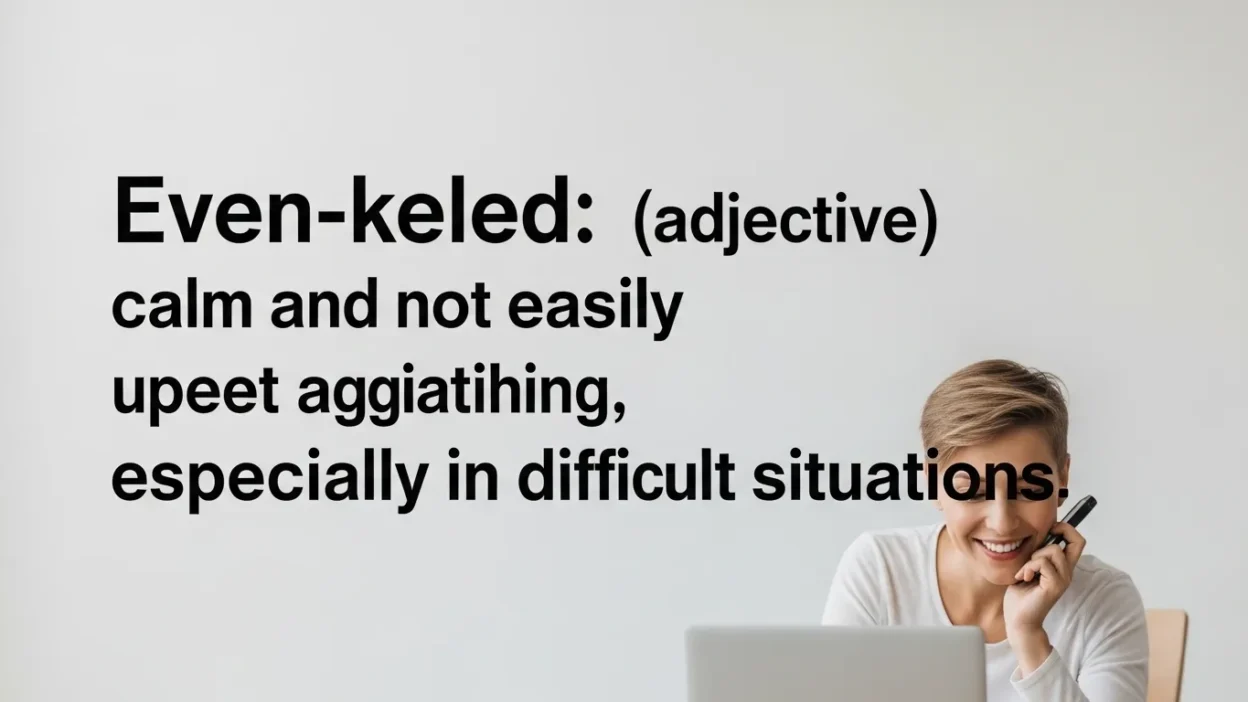
The formal definition of “even keeled” refers to a person who is emotionally stable, balanced, and consistent in behavior, especially during challenging or stressful situations. In simpler terms, it describes someone who remains calm and composed, regardless of external pressures or unexpected events. People often use this phrase to compliment someone’s ability to handle life with steadiness and reliability.
From a dictionary perspective, “even keeled” is an idiomatic expression derived from nautical terminology. The keel is the central structural base of a ship that helps it stay upright and stable in water. When a ship is on an even keel, it is level and balanced, floating steadily without tipping to one side. Applied metaphorically, this imagery describes a person whose emotions and reactions are well-regulated and predictable, much like a ship that remains steady in rough seas.
An even-keeled individual is not necessarily free from emotions—they experience feelings like anyone else—but they control their responses and avoid extreme reactions. For instance, during conflicts, they are likely to approach the situation calmly, assess it rationally, and respond thoughtfully.
In daily life, understanding the definition of even keeled helps you identify such personalities and recognize the value of emotional stability. It is a trait admired in leaders, colleagues, friends, and family members because it fosters trust, reliability, and a sense of calm for everyone around them.
Even Keeled Personality Meaning
When we talk about an even-keeled personality, we refer to someone whose temperament is steady, calm, and emotionally balanced across different situations. Such individuals are rarely swayed by sudden stress, anger, or excitement, and they maintain a consistent demeanor whether things are going well or going poorly. An even-keeled person is not indifferent or unfeeling; rather, they regulate their emotions, think clearly, and respond appropriately, which makes them reliable in both personal and professional contexts.
Key traits of an even-keeled personality include patience, self-control, composure, and rational thinking. These individuals often remain calm in high-pressure environments, making them excellent decision-makers and leaders. For example, in a workplace conflict, an even-keeled colleague can mediate discussions effectively without letting emotions cloud judgment.
Being even keeled also involves emotional resilience. Life is full of unexpected challenges, and people with this personality trait handle disappointments and setbacks without panicking or overreacting. Their steady approach not only benefits themselves but also helps those around them feel more secure and confident.
Furthermore, an even-keeled personality often correlates with mental stability and mindfulness. These individuals are self-aware and tend to manage stress proactively through techniques such as reflection, planning, and calm problem-solving.
In short, an even-keeled personality is admired because it demonstrates balance, consistency, and emotional intelligence. Understanding this meaning helps in recognizing such traits in others and encourages cultivating them within oneself for better personal growth, relationships, and professional success.
Examples of Even Keeled in Sentences
Understanding the meaning of even keeled becomes easier when you see how it is used in sentences. Using examples in context not only clarifies the phrase but also helps you apply it naturally in writing and conversation.
- Everyday Life:
- “Despite the chaos in the kitchen, Maria remained even keeled and calmly directed everyone.”
- “John is even keeled, so he doesn’t get stressed when plans suddenly change.”
- Workplace Context:
- “A good manager stays even keeled under pressure, which helps the team perform better.”
- “Even keeled employees handle client complaints professionally without losing their composure.”
- Personal Relationships:
- “During the family argument, Sarah stayed even keeled, listening to everyone before offering her opinion.”
- “Being even keeled in a relationship can prevent unnecessary conflicts and misunderstandings.”
- Leadership and Public Life:
- “The CEO remained even keeled during the crisis, reassuring investors and employees alike.”
- “Even keeled leaders inspire confidence because they do not panic when challenges arise.”
These examples highlight that being even keeled is about maintaining emotional stability, thinking clearly, and acting consistently, whether in daily situations, professional settings, or personal interactions. By observing and practicing this behavior, anyone can develop the skill of staying balanced and composed, which is an invaluable quality in both personal and professional life.
Synonyms of Even Keeled
Understanding synonyms of even keeled can help you use the term more flexibly in writing and conversation. While “even keeled” specifically refers to emotional balance and steadiness, several words and phrases capture similar qualities.
Common Synonyms:
- Calm: Refers to someone who is relaxed and not easily disturbed. Example: “She stayed calm even when the project deadline was moved up.”
- Balanced: Indicates emotional and mental stability. Example: “A balanced personality helps him handle conflicts thoughtfully.”
- Steady: Emphasizes consistent behavior and reliability. Example: “He maintained a steady approach during stressful negotiations.”
- Level-headed: Highlights rational thinking and sound judgment. Example: “Her level-headed nature makes her a great mediator.”
- Composed: Suggests self-control and poise in challenging situations. Example: “Despite the criticism, he remained composed and polite.”
Stronger Synonyms:
- Unflappable: Describes someone who is rarely upset or disturbed. Example: “The unflappable pilot handled the turbulence calmly.”
- Self-controlled: Focuses on mastery over emotions. Example: “Her self-controlled reactions impressed the team.”
- Rational: Emphasizes logical thinking under pressure. Example: “A rational approach prevents mistakes in high-stakes situations.”
- Collected: Suggests calmness combined with organized thinking. Example: “He stayed collected during the emergency briefing.”
While these words are similar, each synonym has a slightly different nuance. Choosing the right synonym depends on whether you want to emphasize calmness, rational thinking, emotional control, or steadiness. Using a variety of synonyms also makes your writing more engaging and precise while conveying the essence of an even-keeled personality.
Antonyms of Even Keeled
Just as understanding synonyms helps you describe an even-keeled personality, knowing its antonyms can clarify the concept by highlighting contrasting traits. An antonym of even keeled describes someone who is emotionally unstable, reactive, or easily upset.
Common Antonyms:
- Moody: Someone whose emotions change frequently and unpredictably. Example: “His moody behavior makes it difficult to rely on him during stressful times.”
- Emotional: Overly influenced by feelings rather than reason. Example: “She became emotional after receiving the criticism, losing focus on the discussion.”
- Unstable: Lacking emotional balance or consistency. Example: “An unstable manager can create chaos in the workplace.”
- Irritable: Easily annoyed or provoked. Example: “He’s irritable in the mornings, so try not to upset him.”
Personality Opposites:
- Temperamental: Prone to sudden mood swings. Example: “Her temperamental nature makes team projects unpredictable.”
- Reactive: Responds impulsively without thinking things through. Example: “A reactive colleague often escalates minor conflicts unnecessarily.”
- Impulsive: Acts without careful thought. Example: “Impulsive decisions can lead to mistakes in critical situations.”
Recognizing these antonyms helps in both writing and understanding human behavior. By contrasting with even-keeled traits, you can see why emotional stability, consistency, and calmness are valued in leadership, relationships, and daily life. Using antonyms also makes it easier to describe situations or personalities accurately, highlighting the importance of being even keeled rather than reactive or unstable.
Origin of Even Keeled
The phrase “even keeled” has an interesting origin rooted in nautical terminology. In sailing, the keel is the central structural part of a ship that runs along the bottom and provides stability. A ship that is on an even keel floats evenly in the water, without tilting or rocking excessively. This stability is crucial for safe sailing, as an unbalanced ship can capsize in rough waters.
Over time, sailors began using the concept metaphorically to describe people who are emotionally steady and balanced. Just as a ship remains level despite turbulent seas, a person described as even keeled maintains composure during life’s challenges and pressures. The transition from a literal maritime term to a metaphorical personality description likely occurred in the 19th century, as idiomatic expressions from sailing entered everyday English.
The metaphor resonates because it conveys the idea of reliability and stability. A person who is even keeled is consistent in their behavior and reactions, just as a ship on an even keel stays predictable and secure. This imagery made the phrase popular in both literature and daily speech, often used to highlight admirable qualities such as calmness, rational thinking, and emotional control.
Today, even keeled is widely used beyond nautical contexts. It appears in descriptions of leaders, coworkers, friends, and family members, emphasizing their ability to stay balanced under stress. Understanding its origin adds depth to the phrase, helping people appreciate not only its meaning but also the historical metaphor that shaped its usage.
Even Keeled vs Similar Words
Understanding how even keeled compares to similar words helps you use it accurately in conversation and writing. While several terms describe calmness and stability, each carries slightly different nuances.
Even Keeled vs Calm
“Calm” generally refers to a temporary state of being relaxed or untroubled, such as staying quiet during a stressful meeting. In contrast, even keeled describes a consistent personality trait, reflecting long-term emotional stability rather than a momentary calmness. For example, “She stayed calm during the argument” focuses on the moment, whereas “She is even keeled” highlights her overall temperament.
Even Keeled vs Level-Headed
Both terms suggest rational thinking, but level-headed emphasizes logical decision-making, while even keeled highlights emotional balance and consistency. A level-headed person solves problems sensibly, but an even-keeled person also remains composed regardless of stress or tension.
Even Keeled vs Composed
“Composed” refers to maintaining poise in specific situations, often under pressure or during public appearances. Even keeled, however, implies ongoing emotional regulation and steadiness in everyday life, not just in high-pressure moments.
Even Keeled vs Stable
“Stable” is broader and may refer to emotional, mental, or financial steadiness. While a stable person might be predictable, even keeled specifically emphasizes emotional resilience and calmness in reaction to challenges.
By understanding these distinctions, you can choose the most precise word based on context. While calm, composed, level-headed, and stable overlap with even keeled, only even keeled captures the blend of emotional balance, steadiness, and reliability over time.
When to Use Even Keeled
Knowing when to use “even keeled” helps you communicate more precisely, whether in writing or conversation. The phrase is typically applied to people, personalities, or behavior, especially when highlighting emotional stability, calmness, and consistency.
Formal Situations:
In professional or formal contexts, “even keeled” is often used to describe leadership, management, or teamwork qualities. For example:
- “The project manager remained even keeled throughout the crisis, guiding the team effectively.”
- “An even-keeled leader inspires confidence and fosters a productive environment.”
This usage emphasizes reliability and emotional control, traits highly valued in workplaces and business communications.
Informal Situations:
You can also use the phrase in casual settings, such as talking about friends or family. For instance:
- “My sister is even keeled, so she always stays calm no matter what happens.”
- “Being even keeled helps him handle stressful situations without getting upset.”
Here, it conveys admiration for someone’s steady and balanced personality in everyday life.
When Not to Use:
Avoid applying “even keeled” to temporary emotions or situations that do not involve personality traits. For example, saying “I was even keeled this morning” is incorrect because the phrase describes long-term emotional stability, not a momentary feeling.
In short, even keeled is most appropriate when describing a person’s overall temperament or consistent approach to challenges, whether in professional, personal, or leadership contexts. Correct usage highlights a person’s admirable quality of remaining calm, balanced, and emotionally resilient.
Why Being Even Keeled is Important
Being even keeled is more than a personality trait—it is a valuable quality that affects personal growth, relationships, and professional success. People who maintain emotional stability and composure in all situations create a positive impact on themselves and those around them.
In Personal Life:
An even-keeled person manages stress and emotions effectively, which improves relationships with family and friends. By staying calm during conflicts or unexpected situations, they prevent misunderstandings and build trust. Their consistency and reliability make them supportive partners and dependable friends.
In Work Life:
In professional settings, being even keeled is highly prized. Employees or leaders who remain composed under pressure can make rational decisions, solve problems efficiently, and guide teams through challenges. Their ability to stay steady inspires confidence in colleagues and fosters a harmonious work environment.
For Mental Well-being:
Emotional balance contributes directly to mental health. Even-keeled individuals experience less stress and anxiety because they approach situations logically rather than reacting impulsively. Their steady mindset encourages mindfulness, reflection, and thoughtful problem-solving, reducing emotional burnout.
Overall Benefits:
Being even keeled cultivates resilience, rational thinking, and interpersonal harmony. It allows individuals to navigate life’s ups and downs gracefully, maintain strong social connections, and excel in leadership or teamwork roles. Understanding and developing this trait can significantly enhance personal satisfaction and professional effectiveness, making it one of the most admirable qualities a person can possess.
How to Become More Even Keeled
Cultivating an even-keeled personality is a valuable goal, as it promotes emotional balance, better decision-making, and stronger relationships. While some people may naturally possess this trait, anyone can develop it through consistent practice and self-awareness.
1. Control Emotional Reactions:
The first step to becoming even keeled is learning to pause before reacting. When faced with stress or conflict, take a moment to breathe, assess the situation, and choose a calm response rather than reacting impulsively. This prevents overreactions and helps maintain composure.
2. Develop Emotional Stability:
Emotional resilience is essential for an even-keeled personality. Techniques such as mindfulness, meditation, and journaling can help you recognize emotional triggers and manage them effectively. Practicing these habits regularly strengthens your ability to stay calm during challenges.
3. Practice Rational Thinking:
Even-keeled individuals approach problems logically. Develop the habit of analyzing situations objectively, considering multiple perspectives before responding. This encourages thoughtful decision-making and reduces stress from impulsive reactions.
4. Maintain Consistency:
Consistency in behavior, communication, and emotional responses helps reinforce an even-keeled personality. By practicing steady reactions in small daily situations, you build the habit of maintaining calm under pressure.
5. Learn from Role Models:
Observe individuals who display even-keeled behavior, whether in personal life or professional settings. Notice how they handle challenges, respond to criticism, and maintain composure, and emulate these behaviors in your own life.
By incorporating these strategies, anyone can gradually become more even keeled, improving personal well-being, relationships, and professional effectiveness while developing a stable and reliable personality.
Common Situations Where Even Keeled People Stand Out
People with an even-keeled personality often shine in situations that require emotional balance, patience, and clear thinking. Their steadiness makes them reliable, respected, and effective in both personal and professional environments.
1. Crisis Situations:
In emergencies or high-pressure moments, even-keeled individuals remain composed and focused. While others may panic or act impulsively, they assess the situation logically and take measured action. For example, during a workplace crisis or a family emergency, their calm approach helps resolve problems efficiently and reassures those around them.
2. Leadership Roles:
Leaders who are even keeled inspire confidence. Their consistent and balanced demeanor allows them to make fair decisions, mediate conflicts, and guide their teams effectively. Employees are more likely to trust and follow leaders who remain steady under pressure.
3. Negotiations and Decision-Making:
Even-keeled people excel in negotiations because they think rationally, control emotions, and respond thoughtfully. They avoid making rash decisions and consider all perspectives before acting, which often leads to better outcomes.
4. Conflict Resolution:
During disagreements, their calm and composed nature helps de-escalate tension. They listen actively, maintain patience, and address issues without emotional outbursts, making them effective mediators in personal and professional disputes.
5. Everyday Challenges:
Even in daily life, such as meeting deadlines or managing unexpected changes, even-keeled individuals maintain stability. Their ability to stay grounded and reliable allows them to navigate life’s ups and downs smoothly.These scenarios highlight why an even-keeled personality is widely admired: it fosters trust, promotes rational thinking, and helps maintain harmony in all aspects of life.
If you want, I can now write the “Characteristics of an Even Keeled Leader” section in 250 words next.
Next 250 word count
Here’s the next 250-word section for your article, covering “Characteristics of an Even Keeled Leader”:
Characteristics of an Even Keeled Leader
An even-keeled leader is someone who maintains emotional stability, composure, and consistency, even in high-pressure situations. These qualities make them effective decision-makers and inspire confidence in their team.
1. Calm Under Pressure:
Even-keeled leaders remain calm during crises or unexpected challenges. Instead of reacting impulsively, they analyze the situation and respond thoughtfully. This calm demeanor helps team members stay focused and reduces stress in the workplace.
2. Consistent Decision-Making:
They make reliable and rational decisions. Their consistency in judgment ensures that employees understand expectations and can trust their leader’s guidance. People respect leaders who are predictable in their values and approach.
3. Fair and Objective:
Emotional stability allows these leaders to evaluate situations without bias or excessive emotion. They are fair in resolving conflicts, distributing responsibilities, and providing feedback, earning the trust and loyalty of their team.
4. Strong Communication:
Even-keeled leaders communicate clearly and patiently. They listen actively, respond without hostility, and provide constructive feedback, fostering an environment of collaboration and understanding.
5. Resilience and Adaptability:
Life and business are unpredictable, but even-keeled leaders handle challenges with resilience. They adapt to changes while maintaining their composure, setting an example for their team to follow.
6. Emotional Intelligence:
They recognize and manage their own emotions and understand the feelings of others. This emotional intelligence enables them to navigate interpersonal dynamics effectively.
In essence, an even-keeled leader combines composure, rational thinking, fairness, and emotional intelligence, creating a positive work culture and inspiring confidence among colleagues, employees, and stakeholders.
Psychological Perspective of Being Even Keeled
From a psychological standpoint, being even keeled is closely linked to emotional regulation, resilience, and personality stability. Psychologists often associate this trait with high emotional intelligence, which allows individuals to understand, manage, and respond to emotions effectively, both their own and those of others.
Emotional Regulation:
Even-keeled individuals excel at regulating their emotions. They do not suppress feelings but instead process them constructively, preventing impulsive reactions that could escalate stress or conflict. This emotional control helps maintain mental clarity and supports rational decision-making.
Resilience to Stress:
People with an even-keeled personality often display strong stress resilience. They remain composed during crises, quickly recover from setbacks, and adapt to changing circumstances. This resilience contributes to long-term mental well-being and reduces anxiety or burnout.
Consistency in Behavior:
Psychologically, an even-keeled person exhibits stable personality traits across various situations. They are predictable in their reactions, which promotes trust and social harmony. This consistency often stems from self-awareness, mindfulness, and habitual stress-management practices.
Positive Social Impact:
Being even keeled also influences relationships. Psychologists note that individuals who remain balanced and calm are more likely to resolve conflicts effectively, offer support to others, and build stronger social bonds. Their steady demeanor fosters cooperation and reduces emotional tension in group dynamics.
Overall, from a psychological perspective, being even keeled is not just a surface-level trait—it reflects deep emotional intelligence, mental stability, and adaptive coping strategies that enhance both personal well-being and interpersonal effectiveness.
Common Mistakes When Using Even Keeled
Although “even keeled” is a widely used and valuable phrase, many people make mistakes in its usage. Understanding these common errors can help you communicate more accurately and avoid confusion.
1. Confusing Even Keeled with Calm:
A common mistake is using “even keeled” to describe a temporary state of calmness. For example, saying, “I felt even keeled this morning” is incorrect because the phrase refers to a long-term personality trait, not a fleeting emotion. Correct usage should describe someone’s consistent temperament, such as, “She is even keeled in stressful situations.”
2. Applying It to Objects or Situations:
“Even keeled” is reserved for people or personalities, not objects or events. Saying, “The meeting was even keeled” or “The day was even keeled” is incorrect. The term describes emotional stability and balance, which only applies to individuals.
3. Overusing the Phrase:
Repetition can make writing sound awkward. While “even keeled” is useful, relying on it too frequently may reduce clarity and variety. Use synonyms like calm, balanced, or level-headed when appropriate to keep writing engaging.
4. Misplacing Hyphenation:
The correct form is typically even-keeled when used as an adjective before a noun, such as “an even-keeled leader.” However, some writers omit the hyphen in other contexts, which is acceptable in modern usage but can appear inconsistent in formal writing.
By avoiding these mistakes, you can ensure that even keeled is used accurately, clearly conveying the idea of emotional stability, consistency, and composure. Proper usage highlights the value of this admirable personality trait.
Related Idioms to Even Keeled
The phrase “even keeled” is part of a broader group of expressions that describe calmness, emotional balance, and composure. Understanding these related idioms can help expand your vocabulary and communicate the same concept in different ways.
1. Keep a Cool Head:
This idiom emphasizes staying calm and composed in difficult situations. For example, “During the heated debate, she kept a cool head and addressed every concern thoughtfully.” Like even keeled, it highlights emotional self-control, though it usually refers to handling a specific situation rather than a long-term personality trait.
2. Stay Calm Under Pressure:
A straightforward phrase often used in professional or high-stress contexts. It conveys the ability to remain composed despite challenges, similar to an even-keeled individual. Example: “The firefighter stayed calm under pressure while rescuing the trapped residents.”
3. Level-Headed:
Level-headed describes someone who makes rational and sensible decisions, especially when others might panic. It overlaps with even keeled but focuses more on sound judgment rather than consistent emotional balance. Example: “Her level-headed approach helped the team solve the problem efficiently.”
4. Cool as a Cucumber:
This idiom emphasizes a relaxed and unflappable demeanor, even in tense situations. Example: “He was cool as a cucumber during the job interview.” It’s more informal and often used in casual speech.
These idioms, like even keeled, highlight the value of emotional control, composure, and stability, allowing speakers and writers to describe calm and balanced individuals in vivid and varied ways. Using these expressions enriches communication while keeping the meaning clear.
Short Definition of Even Keeled (Quick Answer)
If you’re looking for a concise explanation of “even keeled,” it can be defined as a person who is emotionally stable, calm, and consistent in behavior, regardless of circumstances. An even-keeled individual does not overreact to stress, challenges, or unexpected events, and they maintain a balanced demeanor in both personal and professional life.
This phrase originates from nautical terminology, where a ship with an “even keel” floats evenly in the water, remaining steady without tipping or rocking excessively. Metaphorically, it describes a person who exhibits the same steadiness in their emotions and reactions.
Being even keeled does not mean a person is emotionless. Instead, it refers to someone who has control over their emotions, allowing them to respond thoughtfully rather than impulsively. For instance, an even-keeled manager calmly addresses workplace conflicts, and an even-keeled friend listens patiently during personal disagreements.
Key traits of an even-keeled person include patience, composure, emotional regulation, rational thinking, and reliability. These qualities make them trustworthy, respected, and admired in various social and professional contexts.
In short, to describe someone as even keeled is to highlight their ability to stay calm, balanced, and consistent, no matter the situation. This concise definition captures the essence of the term, making it easy to remember and apply in everyday conversations or writing.
Frequently Asked Questions (FAQs)
1. What does even keeled mean?
“Even keeled” describes a person who is emotionally stable, calm, and balanced. It refers to someone who remains composed in stressful situations and maintains a consistent temperament over time.
2. What is an even-keeled personality?
An even-keeled personality is marked by patience, rational thinking, and emotional regulation. People with this trait handle challenges thoughtfully, avoid overreacting, and create a sense of stability for those around them.
3. Is even keeled a compliment?
Yes, calling someone even keeled is generally a positive remark. It highlights their reliability, composure, and emotional intelligence, which are highly valued in both personal and professional contexts.
4. Can a person learn to be even keeled?
Absolutely. While some individuals are naturally more balanced, anyone can develop this trait by practicing emotional control, mindfulness, rational thinking, and stress management. Regular self-reflection and calm problem-solving can also help.
5. Is even keeled the same as calm?
Not exactly. “Calm” usually refers to a temporary state of relaxation, while even keeled describes a consistent personality trait. Someone who is even keeled stays balanced over time, even in stressful or unpredictable situations.
6. What are common synonyms of even keeled?
Synonyms include calm, balanced, level-headed, composed, steady, and unflappable. Each emphasizes slightly different aspects of emotional stability and rational behavior.
7. What are antonyms of even keeled?
Antonyms include moody, emotional, reactive, impulsive, and temperamental, describing people who are easily disturbed or inconsistent in behavior.
These FAQs provide a quick reference, making it easier to understand and apply the term even keeled in daily life.
Conclusion:
Being even keeled is more than just a way of staying calm; it is a valuable personality trait that reflects emotional balance, stability, and consistency.
People who are even keeled handle stress, challenges, and unexpected situations with composure and rational thinking, making them reliable and respected in both personal and professional contexts.
Throughout this article, we explored the meaning of even keeled, its dictionary definition, and its origin from nautical terminology. We examined the traits of even-keeled personalities, saw examples in everyday life and workplaces, and compared it with similar terms like calm, level-headed, and composed.
We also discussed synonyms and antonyms, highlighting the nuances of the phrase and helping you use it accurately in conversation or writing.
Understanding even keeled behavior is not only useful for language purposes but also for personal development. By cultivating emotional regulation, mindfulness, and rational thinking, anyone can develop a more even-keeled approach to life.
This fosters better decision-making, stronger relationships, and reduced stress, ultimately improving overall well-being.
In essence, describing someone as even keeled is a compliment, recognizing their ability to remain steady, thoughtful, and reliable regardless of circumstances.
By learning about this term, observing even-keeled individuals, and practicing these traits ourselves, we can all strive to approach life with balance, patience, and emotional intelligence, making us more resilient and effective in every aspect of life.