
Beltane is a vibrant and ancient festival celebrated by the Celts, marking the arrival of summer and the flourishing of life. The word “Beltane” is often interpreted to mean “bright fire,” reflecting the central role of bonfires in its traditional celebrations.
Historically, Beltane was observed on May 1st, positioned halfway between the spring equinox and summer solstice, and was a time to honor fertility, growth, and the life-giving power of nature.
This festival held deep spiritual significance for the pagan communities of ancient Europe, blending rituals, dances, and offerings to ensure protection, prosperity, and harmony with the natural world.
Today, Beltane continues to be celebrated by modern pagans, Wiccans, and those drawn to Celtic traditions, combining ancient rituals with contemporary practices.
In this article, we will explore the history, symbolism, and modern relevance of Beltane, uncovering its meaning and ways to celebrate this mystical festival.
Origins of Beltane
Beltane is one of the four major Celtic fire festivals, alongside Samhain, Imbolc, and Lughnasadh. Its origins trace back to the ancient Celts, who lived across Ireland, Scotland, and parts of Britain. The festival was celebrated to mark the beginning of the warmer months, positioned precisely halfway between the spring equinox and summer solstice, typically on May 1st. The name “Beltane” is believed to derive from the Old Irish “Beltene”, which roughly translates to “bright fire,” highlighting the central role of bonfires in its rituals.
Historically, Beltane was a time to honor fertility, growth, and the life-giving forces of nature. It was deeply connected to agricultural cycles, with communities performing rituals to ensure healthy livestock, abundant crops, and protection from harm. These celebrations often involved dancing around fires, jumping over flames for luck, and making offerings to deities associated with fertility and prosperity.
The festival also carried a spiritual dimension, symbolizing the union of the divine masculine and feminine forces of nature, representing the balance necessary for growth and renewal. Over centuries, Beltane evolved but retained its focus on fire, fertility, and community. Its influence can still be seen in many modern neo-pagan and Wiccan practices today, bridging ancient Celtic traditions with contemporary spiritual celebrations.
Historical Practices and Rituals
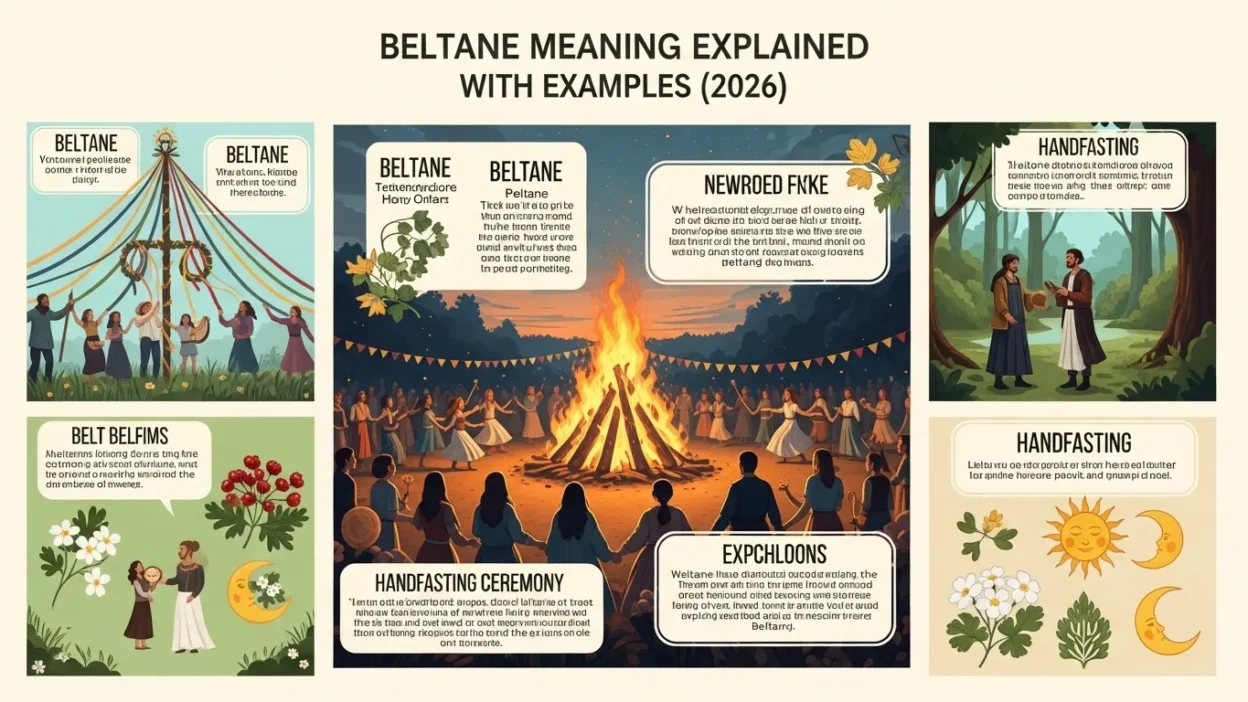
Beltane was traditionally celebrated with vibrant rituals that emphasized fire, fertility, and community unity. Central to these practices were the Beltane bonfires, which were believed to purify, protect, and bring good fortune to people and livestock. Communities would light large fires on hills or communal spaces, and families often drove their cattle between two fires to bless them with health and fertility for the coming year. Jumping over the flames was also a common practice, symbolizing courage, luck, and the renewal of life.
Another iconic Beltane ritual was the maypole dance, a celebration of fertility, growth, and interconnectedness. Participants would weave colorful ribbons around a tall pole, representing the intertwining of life and the harmony between masculine and feminine energies. These dances were often accompanied by music, singing, and feasting, creating a lively communal atmosphere.
Offerings to deities and spirits were also an important aspect of Beltane. Flowers, herbs, and small tokens were left at sacred sites to honor nature’s abundance and seek protection and blessings. Livestock rituals, including decorating animals with flowers and leading them through ceremonial fires, were performed to ensure their health and productivity.
Overall, historical Beltane rituals combined spiritual devotion, seasonal awareness, and community celebration, making it a festival that not only marked the beginning of summer but also reinforced cultural values and a deep connection to nature. These traditions have influenced modern celebrations, preserving the festival’s symbolic essence even in contemporary contexts.
Symbolism of Beltane
Beltane is rich in symbols that reflect the themes of life, fertility, and the transition into summer. One of the most powerful symbols is fire, which represents purification, protection, and vitality. The blazing Beltane bonfires were believed to ward off evil spirits, bless crops and livestock, and renew personal energy. Jumping over the flames or passing between fires symbolized courage, spiritual cleansing, and a direct connection to the life-giving forces of nature.
Another prominent symbol is greenery and flowers, which celebrate fertility, growth, and the abundance of spring. People adorned their homes, altars, and themselves with floral garlands, emphasizing their bond with nature and the earth’s fertility. The maypole, with its colorful ribbons, symbolizes the weaving together of life, community, and the union of masculine and feminine energies. The dance around the maypole reflects harmony, balance, and the cyclical nature of life.
Colors also carry symbolic meaning in Beltane. Green represents growth, renewal, and fertility, while yellow and gold signify sunlight, energy, and prosperity. Many of the festival’s rituals are tied to fertility and abundance, not only in agriculture but also in relationships and personal growth.
Ultimately, Beltane’s symbols connect people to the seasonal cycles, reminding participants of the importance of harmony with nature and the life-sustaining forces around them. These symbols, whether through fire, flowers, or ritual dance, continue to inspire modern celebrations, keeping the ancient festival’s spiritual essence alive.
Beltane in Folklore and Mythology
Beltane is steeped in Celtic folklore and mythology, connecting the festival to gods, goddesses, and supernatural beliefs. In ancient Celtic traditions, Beltane was seen as a time when the veil between the physical world and the spirit world was thin, allowing interaction with fairies, spirits, and other mystical beings. People would leave offerings of flowers, milk, or food at sacred sites to honor these spirits and seek their blessings.
Several deities were associated with Beltane. The Celtic god Belenus, often linked to the sun and light, was celebrated for bringing warmth, growth, and protection. Other local gods and nature spirits were also honored, especially those connected to fertility, agriculture, and the well-being of livestock. These mythological connections reinforced the spiritual significance of the fire rituals, maypole dances, and seasonal celebrations.
Folklore also highlights themes of love, prosperity, and protection. Stories told during Beltane often centered around romantic unions, heroic deeds, or encounters with the Otherworld, reflecting the festival’s focus on fertility and life-giving energy. Many of these tales were passed down orally, embedding cultural values and seasonal wisdom into the community’s traditions.
Even today, these mythological and folkloric elements influence modern Beltane celebrations, particularly in neo-pagan and Wiccan practices, where honoring deities, spirits, and the cycles of nature remains central. By preserving these stories, Beltane continues to connect people with both ancient wisdom and the mystical energies of the natural world.
Modern Celebrations of Beltane
Today, Beltane continues to be celebrated by modern pagans, Wiccans, and those drawn to Celtic traditions, blending ancient rituals with contemporary practices. While the festival originally marked agricultural and fertility cycles, modern observances often focus on spirituality, community, and connection with nature. Bonfires, once used to purify and protect livestock, are still lit in many communities, symbolizing renewal, energy, and the warmth of the sun.
The maypole dance remains a central tradition in many Beltane celebrations, representing fertility, interconnectedness, and harmony. Contemporary festivals often include music, drumming, singing, and dancing around the maypole, creating a lively and joyful atmosphere. Community gatherings, workshops, and public events allow people to participate in rituals, learn about the history of Beltane, and celebrate the changing seasons together.
Neo-pagan and Wiccan practitioners may also incorporate altar decorations, offerings of flowers and herbs, and spiritual meditations. Some modern celebrations emphasize personal growth, love, and intention-setting, aligning with the festival’s themes of renewal and life energy.
Beltane has also inspired cultural festivals worldwide, from reenactments of Celtic traditions to large-scale spring gatherings in parks and community centers. These modern celebrations honor the essence of Beltane—fire, fertility, and nature—while making it accessible and meaningful for people today. By blending history with contemporary spirituality, Beltane continues to thrive as a vibrant and inspiring festival.
How to Celebrate Beltane Today
Celebrating Beltane today can be both meaningful and accessible, whether you’re observing ancient traditions or creating your own modern rituals. One of the simplest ways to honor Beltane is through fire rituals, such as lighting a small bonfire or candles in a safe outdoor space. Fire symbolizes purification, protection, and the life-giving energy of the sun, so you can reflect on renewal or set positive intentions for the season.
Another popular practice is the maypole dance or decorating a central pole with ribbons, flowers, and greenery. This ritual celebrates fertility, growth, and the interconnectedness of life. If space is limited, you can adapt the practice by creating a small ribbon or floral arrangement at home to symbolize seasonal abundance.
Decorating your space with flowers, herbs, and greenery is another way to connect with nature. Consider making garlands, wreaths, or small altar arrangements using seasonal plants, which honor the earth and invite prosperity and vitality.
For a more personal celebration, meditation, reflection, or journaling can help you align with the themes of Beltane, such as growth, love, and renewal. Some people also leave offerings of food, herbs, or flowers outside for nature spirits or as a symbolic gesture of gratitude.
Finally, Beltane can be a social event. Gather friends or family for a small feast, music, or dancing to celebrate the arrival of summer together. The key is to embrace joy, nature, and community, keeping the spirit of Beltane alive in your own unique way.
Beltane vs May Day and Other Festivals
Beltane is often associated with May Day, and while the two share some similarities, they are distinct in history and cultural significance. Beltane originates from ancient Celtic pagan traditions, primarily celebrated in Ireland, Scotland, and parts of Britain. Its focus is on fire rituals, fertility, and seasonal transitions, marking the beginning of summer. Bonfires, livestock blessings, and maypole dances were central to its observance, all rooted in spiritual and agricultural practices.
May Day, by contrast, developed later as a European secular festival celebrating the arrival of spring. While it also features maypole dances, floral decorations, and community gatherings, May Day’s origins are more about cultural and civic celebration than the spiritual and ritualistic significance emphasized in Beltane. Over time, some of Beltane’s traditions merged into May Day festivities, which is why the two are often linked.
Other spring festivals around the world share thematic similarities with Beltane, such as fertility, fire, and renewal. For example, in India, Holi celebrates seasonal change and fertility with colors and bonfires, while in Scandinavia, Walpurgis Night marks the approach of summer with fire and community gatherings.
Understanding these differences highlights Beltane’s unique position as both a spiritual festival and a marker of seasonal change, distinct from secular spring celebrations. Modern observers can appreciate Beltane for its deep cultural roots while recognizing its influence on broader springtime traditions worldwide.
FAQs About Beltane
1. When is Beltane celebrated?
Beltane is traditionally celebrated on May 1st, marking the halfway point between the spring equinox and summer solstice. Some modern practitioners observe Beltane over several days or on the nearest weekend to accommodate communal events.
2. What is the meaning of Beltane fire?
The fire symbolizes purification, protection, and vitality. Historically, people lit bonfires to bless livestock, protect crops, and honor the sun’s life-giving energy. Jumping over the flames or passing between fires was believed to bring good fortune and spiritual renewal.
3. Can anyone celebrate Beltane or is it only for pagans?
While Beltane has roots in pagan and Celtic traditions, anyone can honor the festival’s themes of growth, fertility, nature, and renewal. Modern celebrations are inclusive, and many people adapt rituals to suit personal or spiritual beliefs.
4. How has Beltane evolved over time?
Beltane has evolved from strictly ancient Celtic agricultural and spiritual practices to contemporary celebrations that include neo-pagan, Wiccan, and community-based festivals. Modern adaptations often focus on personal growth, intention-setting, and joyful connection with nature.
5. Is Beltane connected to Halloween or Samhain?
Beltane and Samhain are both Celtic fire festivals, but they celebrate opposite points of the year. Beltane welcomes the summer and life’s fertility, while Samhain marks the end of the harvest and the beginning of winter, with a stronger focus on ancestors and the spirit world.
These FAQs help clarify Beltane’s history, symbolism, and practices, making the festival more accessible to those curious about its meaning and modern significance.
Conclusion
Beltane is a festival that beautifully intertwines history, spirituality, and seasonal celebration, offering a unique glimpse into ancient Celtic culture while remaining relevant today. Rooted in the cycles of nature, Beltane marks the beginning of summer, celebrating fertility, growth, and the life-giving energy of fire.
From its origins in bonfire rituals, livestock blessings, and maypole dances, the festival reflects the Celts’ deep connection to the earth and their understanding of life’s cyclical rhythms.
Over the centuries, Beltane has evolved, influencing modern neo-pagan and Wiccan practices, as well as inspiring secular spring festivals around the world. Today, it continues to be a time for community, joy, and spiritual reflection, whether through traditional rituals or adapted personal celebrations.
The symbolism of fire, flowers, and the maypole reminds us of renewal, protection, and the interconnectedness of life, encouraging participants to align with the natural world.
Celebrating Beltane today can be as simple as lighting a candle, decorating your space with flowers, meditating, or dancing with friends and family. The essence of the festival lies in embracing nature, fertility, growth, and communal joy, bridging the wisdom of the past with contemporary practices.
By understanding Beltane’s meaning, history, and rituals, we not only honor an ancient tradition but also invite the vibrancy and energy of the season into our own lives, keeping its spirit alive for generations to come.