

Asthma is a chronic respiratory condition that affects millions of people worldwide, yet many are unsure about its exact meaning. In simple terms, asthma is a disease that causes inflammation and narrowing of the airways, making it difficult to breathe properly.
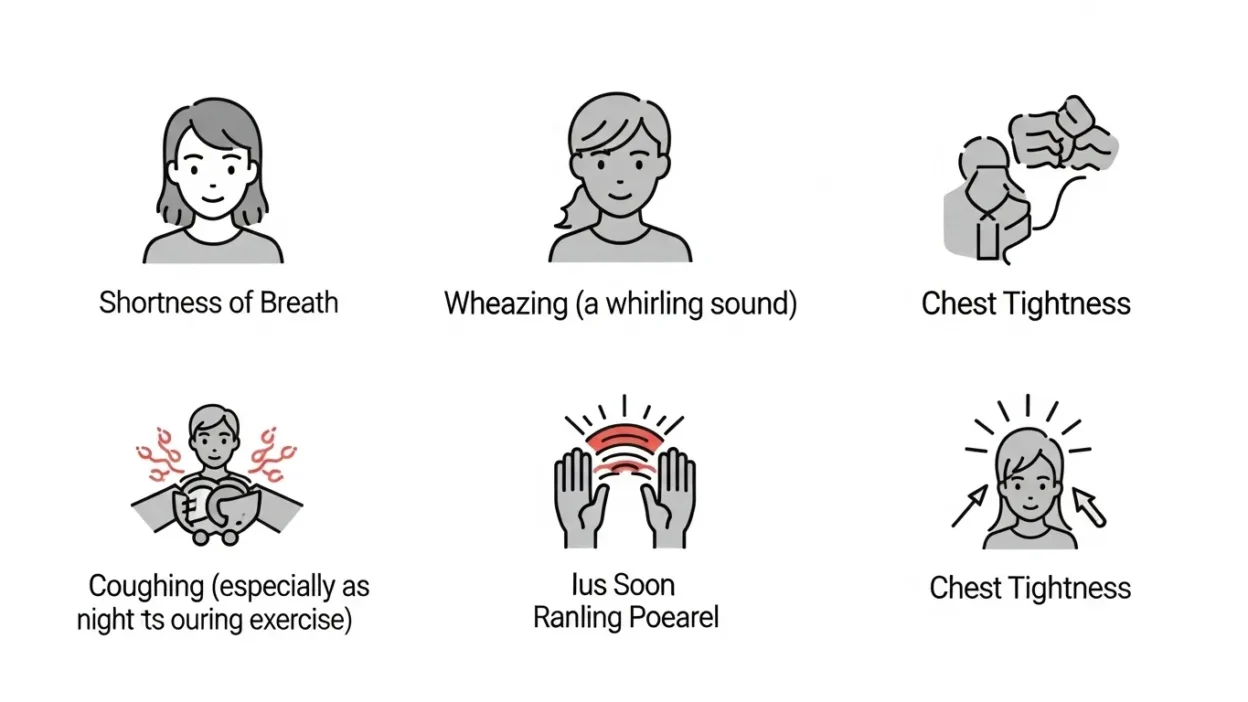
People with asthma may experience symptoms such as wheezing, coughing, chest tightness, and shortness of breath, which can vary in severity from mild to life-threatening.
Understanding the meaning of asthma is essential, not only for those living with the condition but also for parents, caregivers, and anyone interested in health and wellness. Asthma can be triggered by various factors, including allergens, environmental pollution, exercise, and even stress.
While there is no permanent cure, proper diagnosis, treatment, and lifestyle adjustments can help manage symptoms effectively. This article will explore the definition, causes, types, symptoms, and management of asthma to give you a complete understanding of this common yet serious condition.
What is Asthma? (Definition & Explanation)
Asthma is a chronic respiratory disease that affects the airways in the lungs, making it harder for air to flow in and out. Medically, asthma is defined as a condition in which the air passages become inflamed, swollen, and sensitive, often reacting strongly to triggers such as allergens, cold air, or exercise. This inflammation narrows the airways and can lead to episodes of wheezing, coughing, shortness of breath, and chest tightness.
While asthma can develop at any age, it often begins in childhood. Some people may experience mild symptoms occasionally, while others can face frequent and severe attacks that require medical attention. The condition is considered chronic, which means it persists over a long period, but it can be managed effectively with proper treatment and lifestyle adjustments.
It is important to understand that asthma is different from other respiratory issues like bronchitis or pneumonia. Unlike infections, asthma is not caused by bacteria or viruses, though respiratory infections can trigger attacks. Asthma also varies in type and severity some people may only experience symptoms during exercise, while others have allergic asthma triggered by pollen, dust mites, or pet dander.
Knowing the meaning of asthma is the first step toward effective management. With early diagnosis, monitoring, and the right medications, people with asthma can lead normal, active lives. Awareness of the condition and its triggers is key to preventing complications and reducing the risk of severe attacks.
How Asthma Affects the Lungs
Asthma primarily affects the airways, which are the tubes that carry air in and out of the lungs. In people with asthma, these airways are chronically inflamed and sensitive. When triggered by allergens, exercise, cold air, or irritants like smoke, the airways react by swelling and producing excess mucus, making it harder for air to pass through. This narrowing of the airways is what causes the classic asthma symptoms such as wheezing, coughing, and shortness of breath.
During an asthma attack, the muscles around the airways tighten, a process called bronchospasm, which further restricts airflow. This combination of inflammation, mucus buildup, and muscle tightening reduces the oxygen that reaches the lungs and, ultimately, the rest of the body. In severe cases, this can be life-threatening if not treated promptly.
The impact of asthma on lung function varies. Some individuals may experience intermittent symptoms, feeling normal between attacks, while others have persistent asthma, where inflammation is ongoing even without obvious triggers. Chronic inflammation over time can make the airways more sensitive and reactive, increasing the likelihood of future attacks.
Understanding how asthma affects the lungs highlights the importance of proper management and treatment. Medications, such as inhalers, help reduce inflammation and relax airway muscles, while avoiding triggers can prevent attacks. By controlling asthma, individuals can maintain normal lung function and lead active, healthy lives.
Common Symptoms of Asthma
Asthma symptoms can vary widely from person to person, ranging from mild to severe. Recognizing these symptoms early is crucial for managing the condition effectively and preventing serious attacks. The most common symptoms include wheezing, coughing, shortness of breath, and chest tightness. Wheezing is a high-pitched whistling sound that occurs when air flows through narrowed airways, often noticeable during exhalation.
Coughing is another frequent symptom, particularly at night or early in the morning. This is sometimes the only sign of asthma in children and is referred to as cough-variant asthma. Shortness of breath can occur even during everyday activities or physical exertion, making tasks like climbing stairs or exercising more difficult. Chest tightness is often described as a feeling of pressure or constriction, which can be alarming but is typically relieved with proper treatment.
Asthma symptoms are often triggered by specific factors, such as allergens (pollen, dust mites, mold), respiratory infections, cold air, smoke, or physical activity. In some cases, symptoms may appear suddenly during an asthma attack, which requires immediate attention. These attacks can include severe difficulty breathing, rapid heartbeat, and extreme anxiety due to lack of oxygen.
Children, adults, and older individuals may experience symptoms differently. For example, children may primarily cough, while adults are more likely to notice wheezing and shortness of breath. Monitoring symptoms, knowing triggers, and following an asthma action plan can help reduce the frequency and severity of attacks, allowing individuals to live active and healthy lives despite having asthma.
Causes and Triggers of Asthma
Asthma develops due to a combination of genetic and environmental factors, making some people more susceptible than others. While the exact cause is not fully understood, researchers agree that inflammation of the airways and hypersensitivity to triggers play a central role.
Genetic factors can increase the likelihood of developing asthma. If one or both parents have asthma or other allergic conditions, such as eczema or hay fever, their children are at higher risk. Family history plays a significant role in the development and severity of the disease.
Environmental triggers are often responsible for asthma attacks. Common allergens include pollen, dust mites, mold, pet dander, and cockroach waste. Exposure to smoke, strong odors, air pollution, or chemical irritants can also worsen symptoms. For children, viral respiratory infections are a frequent trigger, particularly in the early years.
Lifestyle factors such as obesity, poor diet, and smoking (active or passive) can increase susceptibility and aggravate symptoms. Exercise, especially in cold or dry conditions, can trigger exercise-induced asthma, leading to shortness of breath and wheezing during physical activity.
Some individuals experience occupational asthma, where exposure to substances at work like chemicals, dust, or fumes provokes symptoms. Stress and emotional factors can also trigger or worsen asthma attacks by affecting breathing patterns.
Understanding the causes and triggers of asthma is essential for effective management. By identifying personal triggers, avoiding exposure when possible, and working with healthcare providers, individuals can significantly reduce the frequency and severity of asthma attacks and maintain a healthier lifestyle.
Types of Asthma
Asthma is not a one-size-fits-all condition. It can present in different forms, depending on triggers, age of onset, and underlying causes. Understanding the types of asthma helps in selecting the most effective treatment and management plan.
1. Allergic (Extrinsic) Asthma:
This is the most common type, triggered by allergens such as pollen, dust mites, mold, or pet dander. People with allergic asthma often have a personal or family history of allergies, hay fever, or eczema. Symptoms usually worsen during allergy season or after exposure to a specific allergen.
2. Non-Allergic (Intrinsic) Asthma:
Unlike allergic asthma, this type is not caused by allergens. Triggers may include respiratory infections, stress, smoke, cold air, or exercise. Non-allergic asthma often develops in adulthood and can be harder to control than allergic asthma.
3. Exercise-Induced Asthma (EIA):
Also called exercise-induced bronchoconstriction, EIA occurs during or after physical activity. Cold or dry air can worsen symptoms, leading to coughing, wheezing, or shortness of breath. Proper warm-up routines and pre-exercise inhalers can help manage this type.
4. Occupational Asthma:
This type develops due to exposure to irritants or allergens in the workplace, such as chemicals, dust, or fumes. Symptoms improve when away from the work environment.
5. Cough-Variant Asthma:
Here, chronic coughing is the main symptom rather than wheezing or shortness of breath. It is more common in children and can easily be overlooked, delaying diagnosis.
Recognizing the specific type of asthma is crucial for effective management. Each type may require tailored medications, preventive measures, and lifestyle adjustments to reduce the frequency and severity of attacks.
Is Asthma Curable?
Asthma is a chronic condition, which means it cannot be completely cured. However, with proper management, most people with asthma can live healthy and active lives without frequent or severe symptoms. The goal of treatment is to control inflammation, prevent attacks, and maintain normal lung function.
While some children may “outgrow” asthma as their airways mature, the condition can persist or return later in life. Adults who develop asthma usually experience lifelong symptoms, but these can often be minimized with appropriate care. Early diagnosis and adherence to treatment plans are essential for preventing long-term complications, such as airway remodeling, which can make asthma more severe over time.
Asthma management typically includes a combination of medications and lifestyle strategies. Quick-relief inhalers, such as bronchodilators, provide immediate relief during attacks, while long-term control medications, like inhaled corticosteroids, reduce airway inflammation and sensitivity. Avoiding known triggers such as allergens, smoke, or extreme exercise conditions is also critical for controlling symptoms.
Education and awareness play a key role in managing asthma effectively. Patients who understand their condition, recognize early warning signs, and follow an asthma action plan are much less likely to experience severe attacks.
In summary, asthma may not be curable, but it is highly manageable. With proper medical care, regular monitoring, and lifestyle adjustments, people with asthma can maintain normal lung function and enjoy a full, active life. Understanding the chronic nature of the disease helps patients take proactive steps for long-term control.
How Asthma is Diagnosed
Diagnosing asthma involves a combination of medical history, physical examination, and lung function tests. Since asthma symptoms can overlap with other respiratory conditions, accurate diagnosis is essential for effective treatment.
The process usually begins with a detailed medical history. A doctor will ask about symptoms such as wheezing, coughing, shortness of breath, and chest tightness, including their frequency and triggers. They will also inquire about family history of asthma or allergies, as genetics can play a significant role.
During a physical examination, the doctor may listen to the lungs for wheezing or other abnormal sounds. However, asthma symptoms may not always be present during the visit, so additional testing is often necessary.
Pulmonary function tests (PFTs), particularly spirometry, are commonly used to measure lung capacity and airflow. This test involves taking a deep breath and exhaling forcefully into a device that measures how much air is expelled and how quickly. Reduced airflow, especially if it improves after using a bronchodilator, can indicate asthma.
Another useful tool is peak flow monitoring, where patients measure the highest speed at which they can blow air out of their lungs. Lower than normal readings, especially if they fluctuate, can signal asthma.
For cases suspected to involve allergies, doctors may recommend allergy testing to identify specific triggers. In some situations, additional tests such as chest X-rays or exhaled nitric oxide measurement may help rule out other conditions.
Early and accurate diagnosis allows patients to start treatment and management strategies promptly, reducing the risk of severe attacks and improving quality of life for people living with asthma.
Treatment and Management of Asthma
Asthma cannot be cured, but it can be effectively managed with the right combination of medications, lifestyle adjustments, and preventive strategies. The main goal of asthma management is to control symptoms, prevent attacks, and maintain normal lung function.
Medications play a central role in treatment. Quick-relief inhalers, such as bronchodilators, provide immediate relief during asthma attacks by relaxing the airway muscles. Long-term control medications, like inhaled corticosteroids, help reduce inflammation in the airways and prevent symptoms from occurring. In severe cases, doctors may prescribe biologics or combination therapies tailored to specific types of asthma.
Avoiding triggers is another critical part of management. Patients should identify and minimize exposure to allergens such as pollen, dust mites, mold, pet dander, and smoke. Environmental modifications, like using air purifiers, maintaining clean living spaces, and avoiding polluted areas, can reduce attacks.
Lifestyle strategies also support asthma control. Regular, moderate exercise can strengthen the lungs, while proper warm-up routines help prevent exercise-induced asthma. Stress management, a balanced diet, and maintaining a healthy weight can further reduce symptoms.
An asthma action plan provided by a healthcare provider is essential for monitoring symptoms and responding appropriately during attacks. This plan typically outlines daily medications, how to handle worsening symptoms, and when to seek emergency care.
By combining medications, trigger avoidance, lifestyle adjustments, and education, individuals with asthma can lead active, healthy lives. Effective management empowers patients to reduce flare-ups, improve quality of life, and maintain control over their condition.
Living with Asthma
Living with asthma requires awareness, planning, and proactive management to ensure that symptoms do not interfere with daily life. While asthma can be challenging, most people with the condition can lead normal, active lives by following effective strategies.
Daily management begins with monitoring symptoms and recognizing early warning signs of an asthma attack. Keeping track of triggers, such as pollen, dust, smoke, or strong odors, helps prevent flare-ups. Using prescribed medications consistently, even when feeling well, is essential for controlling chronic inflammation and maintaining lung health.
Exercise and physical activity are important, but they require caution. Individuals with exercise-induced asthma should warm up properly, avoid extreme weather conditions, and, if recommended, use pre-exercise inhalers. Staying active helps strengthen the lungs, improve stamina, and support overall well-being.
Work, school, and travel considerations are also important. Communicating with teachers, employers, or caregivers about asthma ensures proper accommodations and access to medications during emergencies. For travelers, carrying a rescue inhaler, avoiding known allergens, and checking air quality can help prevent attacks.
Lifestyle adjustments, such as maintaining a healthy diet, managing stress, and avoiding smoking or secondhand smoke, further reduce the risk of exacerbations. Regular check-ups with a healthcare provider allow for updates to the asthma action plan and ensure treatment remains effective.
With awareness, preparation, and proper care, living with asthma does not have to limit daily activities. Patients who follow their treatment plan and adopt healthy habits can enjoy a fulfilling, active, and independent life while keeping their symptoms under control.
When to See a Doctor
Knowing when to seek medical attention is crucial for anyone with asthma, as timely intervention can prevent severe attacks and complications. While mild symptoms can often be managed at home, certain signs indicate that professional care is necessary.
Frequent or worsening symptoms such as persistent wheezing, coughing, shortness of breath, or chest tightness are clear reasons to consult a doctor. If symptoms interfere with daily activities, sleep, or exercise, it may indicate that current treatment is insufficient or needs adjustment.
Asthma attacks that do not improve with a quick-relief inhaler require immediate medical attention. Severe attacks may include difficulty speaking, extreme shortness of breath, rapid heartbeat, and bluish lips or fingertips. These are medical emergencies and should be addressed without delay.
Changes in response to medications also warrant a visit. If a previously effective inhaler is no longer providing relief, or if new triggers seem to worsen symptoms, a healthcare provider can evaluate and modify the treatment plan.
Regular check-ups are important even when symptoms are controlled. Routine visits allow doctors to monitor lung function, adjust medications, and update an asthma action plan. Patients should also seek professional guidance when planning lifestyle changes, starting exercise routines, or traveling to environments with potential triggers.
By recognizing warning signs and maintaining ongoing communication with a healthcare provider, individuals with asthma can prevent complications, reduce the risk of severe attacks, and maintain a high quality of life. Timely intervention ensures that asthma remains manageable and under control.
FAQs About Asthma
Asthma is a complex condition, and many people have questions about its causes, symptoms, and management. Here are some of the most common questions and answers:
1. What is the difference between asthma and COPD?
Asthma is a chronic condition that typically begins in childhood and involves reversible airway inflammation. COPD (Chronic Obstructive Pulmonary Disease) usually develops in adults, often due to long-term smoking, and causes permanent airway damage.
2. Can asthma go away on its own?
Asthma is generally a lifelong condition, but some children may outgrow it as their airways develop. In adults, symptoms can improve with proper management, but the condition usually persists.
3. Are there natural remedies for asthma?
While some lifestyle adjustments, such as avoiding triggers, exercising moderately, and maintaining a healthy diet, can help manage symptoms, there is no proven natural cure. Medications prescribed by a doctor remain the most effective treatment.
4. Can asthma be inherited?
Yes, genetics play a role. Children with a family history of asthma or allergies are more likely to develop the condition, though environmental factors also influence its onset.
5. Can adults develop asthma later in life?
Yes. Adult-onset asthma can occur even without a previous history of the disease. Triggers may include respiratory infections, allergies, workplace irritants, or lifestyle factors like smoking.
Understanding the answers to these common questions helps individuals recognize symptoms, manage triggers, and seek timely medical care. Consulting a healthcare provider ensures accurate diagnosis and an effective treatment plan tailored to each person’s type and severity of asthma.
Conclusion:
Asthma is a chronic respiratory condition that affects the airways, causing inflammation, narrowing, and increased sensitivity to triggers. Understanding the meaning of asthma is essential for anyone living with the condition, as well as for parents, caregivers, and those seeking to maintain respiratory health.
Although asthma cannot be completely cured, proper diagnosis, treatment, and management allow individuals to live full, active lives.
Recognizing the common symptoms, such as wheezing, coughing, chest tightness, and shortness of breath, is the first step in controlling the disease. Identifying triggers whether allergens, environmental factors, or lifestyle-related helps prevent asthma attacks and reduce the frequency and severity of symptoms.
Early diagnosis through medical history, physical examination, and lung function tests ensures that patients receive the appropriate treatment and guidance.
Effective management strategies combine medications, trigger avoidance, lifestyle adjustments, and patient education. Quick-relief inhalers provide immediate symptom relief, while long-term medications reduce inflammation and improve airway function.
Maintaining a healthy lifestyle, monitoring symptoms, and following an asthma action plan are essential steps to ensure consistent control.
Living with asthma does not have to limit daily activities. With awareness, preparation, and collaboration with healthcare providers, people with asthma can maintain their quality of life, reduce the risk of severe attacks, and achieve normal lung function.
Understanding asthma fully its meaning, causes, types, and management empowers individuals to take control of their health and breathe easier every day.

Welcome to TextFlirtz.com, your ultimate destination for fun, flirty, and clever pick-up lines that spark conversations and make hearts skip a beat! Whether you’re looking to impress your crush, add some humor to your chats, or just have a playful time texting, we’ve got you covered with lines that are witty, spicy, and unforgettable. Dive in, explore our collections, and start flirting the smart way—because at TextFlirtz.com, words are your best wingman!